





Kajiado residents urged to embrace healthy eating to curb rising non-communicable diseases

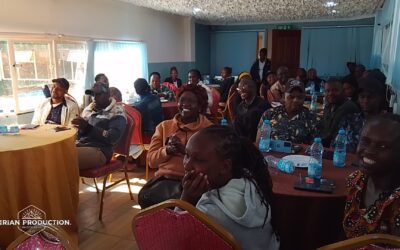
By Amy Moyi Residents of Kajiado county have been urged to embrace healthy eating habits and make informed food choices as part of efforts to prevent non-communicable diseases (NCDs). The call was made during a World Food Day celebration organised by the Kajiado County NCDs Group in collaboration with the Non-Communicable Diseases Alliance of Kenya(NCDAK) which brought together community groups, health officials, government representatives and other stakeholders to promote healthier communities. The event, held in Kiserian town under the theme “Our Food, Our Health,” was part of activities marking World Food Day, whose global theme this year was “Innovate Today, Nourish Tomorrow.” Participants were sensitised on the importance of healthy diets, food safety and nutrition with a focus on how everyday food choices can contribute to the prevention of conditions such as hypertension and diabetes. Patriciah Ngina, an official with the Kajiado NCDs Chapter, said the event was organised to educate residents on the importance of eating healthy and understanding the relationship between diet and non-communicable diseases. “We saw it fit to come here and educate people about the importance of eating healthy. Some of the things that we eat on a daily basis that we think are not harmful are really pushing us to NCDs,” said Ngina. She said participants were encouraged to understand what to include in their daily meals and what to look out for when purchasing food. Ngina cautioned against excessive salt and sugar consumption as well as processed foods. Public health officer Frankline Lelion said the interactive session also focused on food safety particularly the importance of ensuring that food products consumed by the public meet government certification requirements. He said participants were equipped with knowledge to help them identify certified and valid products when shopping in supermarkets and local shops. Lelion also highlighted the importance of food fortification like the addition of vitamin A to cooking oil as part of efforts to improve nutrition. He said hypertension is a major concern in Kajiado county with an estimated 29,000 or more cases while diabetes cases were also increasing. Other conditions of concern included cardiovascular diseases and anaemia particularly in rural parts of the county. “We are really trying to enlighten the population on what they need to eat to reduce these NCDs,” said Lelion. Community health promoter Jennifer Angulu said the training had reinforced the importance of traditional foods and healthier diets in preventing diabetes and high blood pressure. She noted that NCDs not only affect the health of individuals but can also deepen poverty in cases where the breadwinner requires long-term treatment and medication. Angulu said the knowledge gained during the event would help community health workers educate residents on how to prevent and manage the conditions. For some participants, the discussions were also an opportunity to highlight the challenges faced by people living with chronic illnesses. Peter Mutura, who said he had experienced eye pressure and high blood pressure, recounted being warned by a doctor that he was at risk of suffering a stroke. He said accessing treatment remained difficult because of the cost of hospital visits and the unavailability of medication. Mutura urged residents to take health awareness messages seriously and called for greater attention to the challenges faced by patients managing chronic conditions. “We need to listen to doctors and organisations creating health awareness,”said Mutura. The event brought together representatives from SHOFCO Kajiado, the Police Youth Initiative, Kiserian youths, Youth Waves, Kajiado Ma Hopes, the Kajiado County Government, the Kajiado Health Committee, the Ministry of Health, area administration and the county education office. The Kajiado County NCDs Group said the celebration was also an opportunity to strengthen partnerships between community organisations and government stakeholders in advancing public health awareness. The group, a beneficiary of a seed grant, acknowledged the support of the Non-Communicable Diseases Alliance of Kenya (NCDAC), its mother organisation, for its continued guidance, mentorship and investment in community-led initiatives.

Read Full News

Conservationist calls for greater integration of traditional medicine into Kenya’s healthcare system

Conservationist and indigenous researcher Dr. Lepantas Leshore has called for greater integration of traditional and complementary medicine into Kenya’s healthcare system, saying lessons from China could help Kenya strengthen primary healthcare and preserve indigenous knowledge. Dr. Leshore, founder of the Maa Museum of Heritage, which serves communities across the Maa counties of Kajiado, Narok, Laikipia, Samburu and Marsabit, was speaking on August 25, 2026, during a Chinese herbal medicine event by Fohow, organised by Ms. Evlyne Malova at PEC House in Ngong. He said lifestyle changes, including reduced physical activity, increased time spent in vehicles and poor dietary habits, have contributed to health challenges that require greater attention to preventive and primary healthcare. Dr. Leshore argued that traditional and complementary medicine could form part of a broader healthcare approach in Kenya. “The Fohow products seem good for women’s reproductive health, including menstrual hygiene, and can enhance primary health care in Kenya,” he said. He further called for the continued development of a healthcare model that brings together conventional medicine and traditional or complementary approaches. His comments come as Kenya continues to develop frameworks around traditional, complementary and alternative medicine. However, claims about the safety or effectiveness of particular herbal products require appropriate scientific and regulatory evaluation before being treated as established medical evidence. Dr Leshore narrated his experience in China, where he travelled as part of a 25 member delegation under a China Aid programme. The two week training exposed the delegation to issues including heritage, tourism integration, conservation, culture and urban health. According to Dr. Leshore, the experience demonstrated how different sectors can be brought together in the development and preservation of cultural and natural heritage. He said Kenya could learn from China’s approach to tourism, cultural preservation, traditional medicine, heritage management and conservation. “Kenya can learn a lot from China including tourism, preservation of culture, development of traditional herbal medicine, heritage and conservation,” he said. For Dr. Leshore, the exchange was also an opportunity to consider how indigenous knowledge in Kenya could be documented and incorporated into modern development without losing its cultural foundation. Traditional Chinese medicine has a long history of documenting plants, minerals and other substances believed to have medicinal properties. One of the best known historical works is the Bencao Gangmu, commonly translated as the Compendium of Materia Medica. Compiled by Chinese physician and naturalist Li Shizhen during the Ming dynasty, the work brought together extensive knowledge of medicinal substances and natural history.  By the end of the 16th century, the number of drugs documented in China had reached close to 1,900. The development of traditional Chinese medicine later became intertwined with China’s modern healthcare system. During the 20th century, Chinese authorities promoted approaches that combined traditional medical practices with aspects of Western medicine, particularly in efforts to expand basic healthcare services in rural communities. The country’s experience has also generated debate. While traditional Chinese medicine remains widely used, researchers and health experts have raised questions concerning evidence, regulation, quality control and the safety of some traditional remedies. China has around 45 dedicated tertiary institutions  specializing on Traditional Chinese Medicine (TCM), alongside over 215 other comprehensive universities that offer TCM programs or majors. Dr. Leshore’s comments reflect a wider conversation about how traditional knowledge can coexist with modern healthcare. For Kenya, this discussion is particularly relevant given the country’s diverse indigenous communities and long history of using medicinal plants and traditional healing practices. Integrating traditional medicine into the formal healthcare system, however, would require appropriate standards for training, product quality, safety, research, regulation and patient protection. Dr. Leshore said his experience in China strengthened his belief that Kenya can benefit from studying approaches used in other countries while developing solutions suited to its own cultural and healthcare environment. He also linked the discussion to his broader work in conservation and indigenous heritage, arguing that traditional knowledge, culture, tourism and environmental conservation can complement one another. The Ngong event brought together participants interested in herbal medicine and wellness, with Fohow products forming part of the discussions. Fohow is a Chinese company that markets health and wellness products based on traditional Chinese medicine. The company has operations in a number of countries, including Kenya. For Dr. Leshore, the conversation goes beyond herbal products. He sees the exchange between Kenya and China as an opportunity to examine how traditional knowledge can contribute to healthcare, cultural preservation, tourism and conservation while being assessed within appropriate modern standards. “This is why I believe in the principles of China. If you want to learn and change the new world order, this is where we are going, the new world order, we are moving to China and we can borrow good lessons,” he said. Ms. Awinja Malova who organised the successfull event last month on 25th August operates a Fohow Agency at 1st Floor, Astrol Petrol Station, Ngong Town.  Ms. Malova can be contacted through mobile number 0720944443.

Read Full News

Wambui’s final days raise questions over emergency healthcare and support for vulnerable residents in Kajiado county.

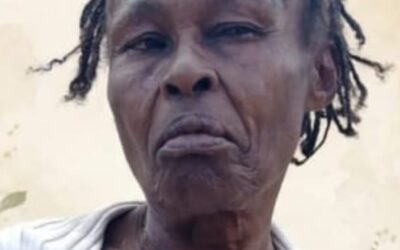
On September 3, 2026, residents of Umoja Village, formerly known as Mathare, raised the alarm after a well known woman in the community, Wambui, was found in need of urgent medical attention. A Community Health Volunteer (CHV) who responded to the call said the condition in which she found Wambui was so severe that people were reluctant to assist her. “When I arrived there, no one wanted to touch her because of the state she was in. I believe that is why they contacted me,” the CHV said. Residents and volunteers quickly mobilised funds to facilitate her treatment. Wambui was taken to Ngong Sub County Hospital, where she received medical attention. However, according to those involved in her care, the facility could not admit her amid an ongoing nurses’ strike. The volunteers were reportedly advised to seek admission at a private facility.  Wambui was then taken to Matasia Nursing Hospital in Matasia. According to information provided to Elveza Media by the facility, a group of people brought Wambui to the hospital but later left, effectively abandoning her at the facility.  Later that night, Wambui was reportedly seen back in the Umoja Village area, in Ngong Town. The following morning, residents found her lying helplessly in an alley within the village. Some members of the community attempted to care for her, including trying to feed her porridge. Her condition, however, continued to deteriorate, and she eventually died. Her body was initially taken by police to Ngong Funeral Homes but was reportedly rejected before being transferred to the City Mortuary. A community leader who knew Wambui told Elveza Media that she was originally from Embulbul before relocating to Umoja Village in Ngong. According to the community leader, Wambui later became homeless and spent nights wherever well wishers were willing to accommodate her. Those who knew her described her as a woman who could be warm towards people she respected but could also express bitterness towards those she felt had disrespected her. Mr Clint Mbuthia, who is among those helping with arrangements following her death, described Wambui’s life as one marked by instability and hardship. “She lived a life of instability. She has suffered a lot. Alcohol was part of her daily diet. She lacked the support system which is critical,” Mbuthia said. For years, very little was known about Wambui beyond the immediate community in which she lived. Following her death, those assisting with funeral arrangements established that her ancestral home was in Ithanga, Murang’a County. Mbuthia also acknowledged the assistance Wambui received from Jesus Winner Ministry Church in Ngong. “I want to thank Jesus Winner Ministry Church in Ngong for supporting the deceased during her difficult days. After realizing she was homeless, the church rented her a place to live and regularly supported her with food donations,” he said. The support, however, was not enough to resolve the wider challenges facing Wambui, according to those who knew her. Her death has now prompted questions within Umoja Village about how vulnerable people living with homelessness, addiction, poverty and serious illness can access emergency healthcare and sustained social support. One of her sons was traced to Birika Shopping Centre in Kajiado East. He was reportedly knocked down by a vehicle in Ngong Town two days ago and sustained injuries to his foot and neck.  He is currently being hosted by a well-wisher in Umoja Village according to a CHV identified as John Mulwa. Community Health Volunteers who spoke to Elveza Media identified emergency transport as one of the challenges facing poor and vulnerable patients in Kajiado North. The CHVs called for allocation of emergency funds that could be accessed by community health volunteers to facilitate transportation of critically ill patients when an ambulance or other emergency transport is not immediately available. They argued that delays in moving critically ill patients can have serious consequences, particularly for people who lack money, family support or reliable means of transport. The concerns come as Kenya has been expanding its national emergency medical response system.  On August 5, 2026, the government announced the launch of the National Ambulance Dispatch Centre, a centralised emergency medical dispatch platform intended to coordinate emergency response across all 47 counties. The system allows people in Kenya to dial 922 to report a medical emergency. According to the government’s announcement, callers do not need to prove SHA membership before emergency assistance is dispatched. The system is intended to coordinate county ambulances, private providers and faith based organisations within a national emergency response network. The government has also said that calls to 922 are free across mobile networks and that trained dispatchers can establish the location of an emergency, assess the situation and identify an available ambulance and appropriate health facility. Mbuthia has also called for revenue collected through liquor licensing to be used to support rehabilitation programmes for people struggling with alcoholism and drug addiction. He further urged religious organisations and medical institutions to increase their involvement in supporting people experiencing homelessness, addiction and extreme poverty. He cited Article 43 of the Constitution of Kenya, which provides for economic and social rights, including the right to the highest attainable standard of health, accessible and adequate housing, freedom from hunger, social security and other basic needs.  Article 43(2) also provides that no person shall be denied emergency medical treatment. Mbuthia argued that Wambui’s experience demonstrates the gap that can exist between constitutional guarantees and the reality faced by vulnerable people. “Despite Article 43 being clear on these rights, the late Wambui is one of many others who are failed by both governments of Kenya.  Ideally anyone unable to feed themselves should walk to the chief’s office or the social services office and get petty cash or voucher to buy food,” he said. He called on organisations including the Law Society of Kenya, Katiba Institute and the Kenya Human Rights Commission to increase civic education at grassroots level so that vulnerable communities understand the rights provided under the Constitution. Wambui’s death has also reignited…

Read Full News

Matasia to host free medical camp offering surgeries and health screenings

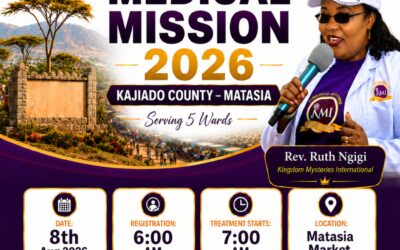
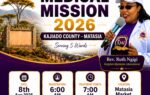
Residents of Matasia and the wider Kajiado North Sub-county are set to benefit from a free medical camp scheduled for Saturday, August 8, offering a wide range of healthcare services aimed at improving access to treatment and early disease detection. The one-day outreach that will be held at Matasia Health Centre, is a joint initiative between the Kajiado County Government and Kingdom Mysteries International (KMI), a United States-based humanitarian organization. Patients will receive free essential health services including medication, dental care, cataract surgeries, minor surgical procedures, circumcision, prostate cancer screening, cervical cancer screening and referrals for patients requiring specialised treatment. Surgical procedures such as removal of lipomas, keloids and correction of certain congenital conditions including fused fingers will also be provided. Speaking ahead of the event, Reverend Ruth Ngigi of Kingdom Mysteries International said the medical camp is intended to ease the financial burden that many families face when seeking healthcare while ensuring that vulnerable members of the community receive timely treatment. “We are coming to help our people. I know the times are difficult and a little something can go a long way. Tell a friend, invite your neighbour especially if they have lipomas which are prevalent in Kajiado county. We will remove them free of charge, ” said Reverend Ngigi.  County officials have welcomed the partnership describing it as an important step in expanding healthcare access through collaboration with development partners. Kajiado County Chief Officer for Public Health and Sanitation Eddie Kimani said the county government is committed to working with organisations that complement public health services and bring care closer to communities. He encouraged residents from across Kajiado North experiencing any health concerns to take advantage of the opportunity to receive free medical check-ups and treatment. Kimani also appealed to men to attend the camp noting that many delay seeking medical attention until illnesses become advanced. He said the outreach will provide prostate cancer screening alongside other medical services. “Men do not seek medical services as much as they should. This is an opportunity for them to be tested for prostate cancer and other medical conditions,” said Kimani. Registration at the medical camp will begin at 6am and close at 3pm on a first-come basis. Patients who require advanced care will be referred through an established referral system helping ensure continuity of treatment after the event. Kingdom Mysteries International (KMI), which is organising the event in collaboration with the Kajiado County Government, is a Washington State-based Christian humanitarian organisation that conducts free medical missions, community empowerment programmes, education initiatives and humanitarian projects in underserved communities across East Africa and the United States. 

Read Full News

Kajiado bans cattle movement in Ngong ward

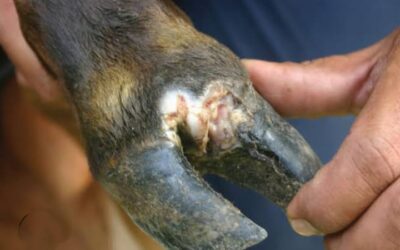
Kajiado County Government has imposed an immediate livestock quarantine in Ngong Ward, Kajiado North Sub-county, following an outbreak of Foot-and-Mouth Disease (FMD). The quarantine, issued under the Animal Diseases Act (Cap. 364) and signed by the County Director of Veterinary Services and shared to the local administration oficers, took effect on 22 July 2026. It requires all cattle, sheep, goats, together with their products and by-products, to remain within the affected area until further notice. Under the directive, the movement of livestock into or out of Ngong Ward is prohibited unless authorized in writing by the Director of Veterinary Services or an appointed veterinary officer. Animals permitted to leave Ngong Ward must first be disinfected, while livestock owners have also been instructed to keep animals away from public roads wherever possible. County veterinary officials said the restrictions are intended to contain the spread of the highly contagious viral disease, which affects cloven-hoofed animals and can cause significant economic losses for livestock farmers. The outbreak has already dealt a heavy blow to some farmers in the area. One farmer, identified as Jimmy, while addressing the media, said he had been keeping 18 dairy cows but has lost six to the disease, estimating his financial loss at more than one million shillings. He added that milk from cows undergoing treatment cannot be consumed by either humans or animals and must be discarded, further compounding farmers’ losses. Another farmer reported losing three lactating cows, one heifer and one calf, with losses estimated at approximately 800,000 shillings. According to veterinary experts, Foot-and-Mouth Disease is caused by a virus with seven distinct serotypes and more than 60 subtypes, meaning immunity to one strain does not protect animals against the others. Clinical signs usually appear between two and 14 days after infection. Common symptoms include fever, excessive salivation, painful blisters in the mouth and on the feet, loss of appetite, reduced milk production, lameness, reluctance to move, abortions and, in severe cases, heart complications and death in young animals. The World Organisation for Animal Health (WOAH) describes FMD as one of the world’s most economically damaging livestock diseases. It affects cattle, sheep, goats, pigs and other cloven-hoofed animals, disrupting livestock production and international trade. The virus is present in saliva, milk, semen and other secretions from infected animals. It can spread through direct contact, contaminated equipment, vehicles, clothing and feed, as well as through the air under favourable conditions. Infected animals may begin shedding the virus several days before showing visible signs of illness. WOAH notes that although most adult animals recover, dairy cows can suffer long-term production losses, with chronic cases recording milk yield reductions of up to 80 per cent. Young calves, lambs and piglets are particularly vulnerable and may die from heart complications or malnutrition if infected mothers are unable to produce sufficient milk. To control the spread of the disease, veterinary authorities recommend strict farm biosecurity measures, including limiting access to livestock, disinfecting buildings, equipment and vehicles, monitoring and reporting suspected cases, and ensuring the safe disposal of manure and animal carcasses. County veterinary officers have urged livestock owners in Ngong Ward to cooperate fully with the quarantine measures and report any suspected cases immediately to help contain the outbreak. Foot and Mouth Disease was first officially recorded in Kenya during the colonial era in 1915. In 2020, Kajiado Central, livestock farmers in Kajiado East and Kajiado West sub-counties were severely affected by an oubreak.

Read Full News

Immaculate Salaon installed as president of Rotary Club of Ngong Hills 

Immaculate Salaon has officially been installed as the new president of the Rotary Club of Ngong Hills during a colourful ceremony held at the KCB Leadership Centre in Karen.  The event drew a large turnover of rotarians and rotaractors as well as members of the Rotary Club of Ngong Hills. The installation ceremony marked the official handover of leadership from the outgoing president to Salaon, who will serve as club president for the 2026/2027 Rotary year.  In one of the most symbolic moments of the event, the outgoing president presented her with the presidential chain, signifying the formal transfer of leadership and responsibility. Salaon later took the oath of office, committing herself to uphold Rotary’s values and lead the club in advancing community service initiatives throughout her one-year term. Members of her board of directors, who will support her in implementing the club’s programmes and activities, also took the oath of office during the ceremony. Speaking after her installation, Salaon reaffirmed the club’s commitment to supporting vulnerable members of the community, particularly children from disadvantaged backgrounds. “We will continue paying school fees for the 14 vulnerable children currently under the club’s education support programme because every child deserves an opportunity to access quality education regardless of their circumstances,” Salaon said. Salaon has pledged to build on the achievements of previous administrations while expanding the club’s impact through sustainable community service projects. The event also celebrated the achievements of the outgoing leadership and recognised its contribution to community development projects and successful Rotary initiatives over the past year. As president, Salaon will lead the Rotary Club of Ngong Hills in implementing projects aligned with Rotary’s areas of focus in the 2026/2027 rotary year. Her installation marks the beginning of a new chapter for the club as it seeks to strengthen partnerships and expand its reach in serving communities across Ngong and beyond. 

Read Full News

Oloolua nine-storey building collapse linked to negligence by parliamentary report

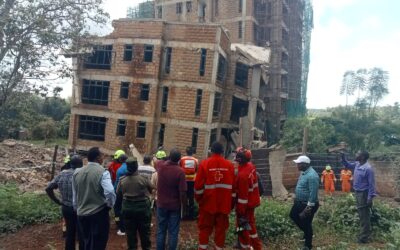
A parliamentary report has uncovered a series of regulatory breaches and construction failures that led to the collapse of a multi-storey building under construction in Ole Nairi, Kajiado North constituency in May this year. Presenting the findings before the National Assembly, the Chairperson of the Departmental Committee on Housing and Public Works said investigations pointed to widespread non-compliance and enforcement lapses in the construction of the building. The report highlighted the following key findings: 1. Structural deficiencies and poor workmanship were identified as the primary causes of the collapse with investigators finding serious weaknesses in the building’s construction. 2. The building exceeded its approved height. Although the project had received approvals from the Kajiado County Government, the National Environment Management Authority (NEMA) and the National Construction Authority (NCA), the structure had exceeded its approved specifications of an eight-storey development. Inspectors established that it had reached nine floors by the time it collapsed. 3. Regulatory orders were ignored. The report found that construction continued despite concerns raised by authorities and directives issued against the project. 4. The project lost professional supervision months before the collapse. The project engineer Ngugi Jacob Kibe withdrew his indemnity in June 2025, while the architect M.Kihara formally exited the project in January 2026. 5. Construction proceeded without consultants on site. Subsequent inspections revealed that the project was being undertaken without the supervision of the appointed engineer and architect prompting the National Construction Authority to issue a suspension order. 6.Construction allegedly continued despite the directive by the National Construction Authority had suspending the project. 7. The contractor was properly registered. The State Department clarified that the contractor held a valid National Construction Authority licence contrary to claims that an unregistered contractor was involved. The developer was identified as Matthew Kipkoech Keter. 8. Claims of flight path restrictions could not be substantiated. Investigators found no evidence that Ole Nairi is officially designated as a flight path zone restricted to four-storey developments. 9. The project had obtained all the required approvals. The development had secured approvals from the Kajiado County Government, the National Environment Management Authority (NEMA) and the National Construction Authority which raised questions about enforcement and oversight. The report concluded that the collapse stemmed from a combination of structural weaknesses, violations of approved designs and regulatory failures. Funding and Enforcement Challenges The State Department admitted that it faces significant financial and legal challenges in preventing building collapses including inadequate resources for continuous inspections and the lack of a clear legal framework empowering multi-agency coordination. To address these shortcomings, the ministry has established a multi-sectoral consultative committee aimed at improving collaboration among agencies responsible for construction safety, disaster response and enforcement. Call for Accountability Kajiado North MP Onesmas Ngogoyo welcomed the report saying it had brought to light critical issues surrounding the construction of the building and underscored the need for stricter enforcement of building regulations.

Read Full News

Rampant strikes and destruction of property in high schools

By Teacher Alice Likimani IntroductionIn recent years, there has been an alarming increase in student strikes, unrest, and the destruction of school property in many high schools across the country. These incidents have negatively affected learning, led to loss of lives and property, and disrupted the smooth running of educational institutions. As a teacher, I have observed several factors that contribute to this unfortunate trend. Causes of student strikes and school arsonAbsent parenthoodMany parents have delegated their parental responsibilities to teachers, domestic workers and other caregivers. As a result, some children grow up without proper guidance, discipline, and moral values. Lack of parental involvement makes it difficult for students to develop respect for authority and responsibility. Irresponsible behaviour among learnersSome students are unwilling to take responsibility for their actions. They often blame teachers, school administration, or the system for challenges that could be solved through dialogue and personal accountability. Non-correctable childrenThere is an increasing number of learners who are unwilling to accept correction. Any attempt to guide or discipline them is viewed as harassment or victimization, leading to hostility towards teachers and school rules. Parents who do not want their children to workSome children grow up in homes where domestic workers perform all domestic duties. Consequently, these learners are not accustomed to responsibility, hard work, or following instructions. They may perceive school routines and duties as punishment rather than character-building exercises. Entitlement mentalitySome learners have been raised believing that they must always get what they want. When their demands are not met immediately, they resort to protests, violence, or destruction of property to force school administrations to comply. Undermining teachers’ authorityIn some cases, learners from affluent backgrounds feel superior to their teachers due to their family’s financial status. Such students may openly challenge authority and refuse to respect school regulations, making discipline difficult to enforce. National culture of demonstrations and destructionStudents often imitate what they observe in society. When national grievances are frequently expressed through demonstrations, strikes, and destruction of property, young people may perceive such actions as acceptable methods of resolving conflicts. Drug and substance abuseThe use of drugs and other substances among students contributes significantly to indiscipline. Drug abuse impairs judgment, promotes aggression, and increases the likelihood of violent behaviour, including participation in strikes and arson. Mitigation measures Conclusion The increasing cases of strikes and destruction of property in schools are a matter of great concern. While students must be held accountable for their actions, parents, teachers, communities, and government institutions all have a role to play in addressing the root causes. Through collective effort, proper guidance, and effective discipline, schools can once again become safe environments that promote learning, character development, and responsible citizenship. Disclaimer: The views and opinions expressed in this editorial are those of the author and do not reflect the views, editorial position or policies of Elveza Media.

Read Full News

Community stakeholders trained to champion disability inclusion

Over 300 participants including teachers, caregivers, health workers and paralegals are benefiting from an ongoing, free four-month training focused on neurodevelopmental disability support and inclusion under the Inclusive Futures Certificate Program. Implemented by the Orione Community Training Centre in collaboration with Manos Unidas Foundation Spain under the Pathways to Independence program, the initiative aims to strengthen community-based support systems, reduce stigma, promote inclusion and improve outcomes for children and adults living with disabilities.  The programme covers key areas including early identification and intervention, communication and language development, behaviour support, disability rights, inclusive education and caregiver empowerment. While speaking at the commencement of the training programme, speech and language therapist at Orione Community Training Centre Regina Mbugua said the training was necessitated by the pre-existing gaps in disability identification and intervention within the community. “Some of these children are in regular schools but the teachers do not have the knowledge on how to assist them. These children are also in churches but the people in charge do not have ways to include them. When it comes to intellectual disability which is not visible, we felt the need to create awareness and promote inclusion,” said Mbugua. Hellen Muthee and Gloria Wambua, Strathmore Law Clinic Gloria Wambua, from Strathmore University Law Clinic and a participant at the training said there is a huge legal gap in addressing the needs of people with disabilities. “Initially people with disabilities were ignored but now there is more awareness and call for inclusion. Strathmore University Law Clinic is currently working on a handbook to address these gaps,” said Wambua. To further address legal gaps for people with disability, Hellen Muthee from Strathmore University Law Clinic said the institution is working with county governments in the formulation of policies for early interventions for children with disability. Mbugua has also cited lack of awareness, misinformation and stigma as key challenges affecting people with disabilities and their caregivers. “Wrong information and lack of awareness cuts across professionals, parents to the members of the community. During assessments, stigma frequently emerges as a concern because it affects the mental and emotional well-being of parents and contributes to delayed intervention,” said Mbugua.  She has called on members of the community to stop stigma against children with disabilities and parents of children with disabilities citing that children with disability can live a normal life if given early intervention.  The training is expected to conclude in September. Participants who successfully complete the course will receive a certificate recognizing their enhanced knowledge and skills in disability inclusion and community practice.

Read Full News