



Conservationist calls for greater integration of traditional medicine into Kenya’s healthcare system
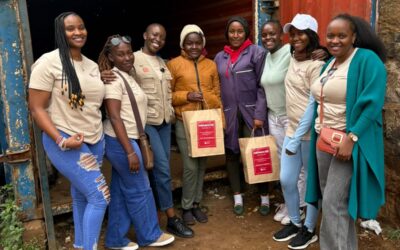
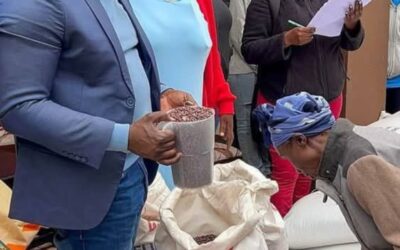
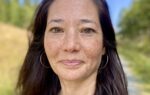
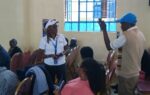
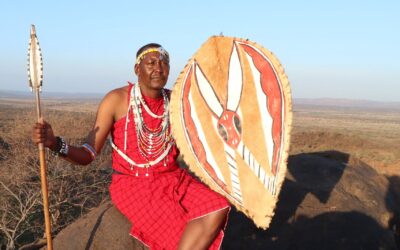
Conservationist and indigenous researcher Dr. Lepantas Leshore has called for greater integration of traditional and complementary medicine into Kenya’s healthcare system, saying lessons from China could help Kenya strengthen primary healthcare and preserve indigenous knowledge. Dr. Leshore, founder of the Maa Museum of Heritage, which serves communities across the Maa counties of Kajiado, Narok, Laikipia, Samburu and Marsabit, was speaking on August 25, 2026, during a Chinese herbal medicine event by Fohow, organised by Ms. Evlyne Malova at PEC House in Ngong. He said lifestyle changes, including reduced physical activity, increased time spent in vehicles and poor dietary habits, have contributed to health challenges that require greater attention to preventive and primary healthcare. Dr. Leshore argued that traditional and complementary medicine could form part of a broader healthcare approach in Kenya. “The Fohow products seem good for women’s reproductive health, including menstrual hygiene, and can enhance primary health care in Kenya,” he said. He further called for the continued development of a healthcare model that brings together conventional medicine and traditional or complementary approaches. His comments come as Kenya continues to develop frameworks around traditional, complementary and alternative medicine. However, claims about the safety or effectiveness of particular herbal products require appropriate scientific and regulatory evaluation before being treated as established medical evidence. Dr Leshore narrated his experience in China, where he travelled as part of a 25 member delegation under a China Aid programme. The two week training exposed the delegation to issues including heritage, tourism integration, conservation, culture and urban health. According to Dr. Leshore, the experience demonstrated how different sectors can be brought together in the development and preservation of cultural and natural heritage. He said Kenya could learn from China’s approach to tourism, cultural preservation, traditional medicine, heritage management and conservation. “Kenya can learn a lot from China including tourism, preservation of culture, development of traditional herbal medicine, heritage and conservation,” he said. For Dr. Leshore, the exchange was also an opportunity to consider how indigenous knowledge in Kenya could be documented and incorporated into modern development without losing its cultural foundation. Traditional Chinese medicine has a long history of documenting plants, minerals and other substances believed to have medicinal properties. One of the best known historical works is the Bencao Gangmu, commonly translated as the Compendium of Materia Medica. Compiled by Chinese physician and naturalist Li Shizhen during the Ming dynasty, the work brought together extensive knowledge of medicinal substances and natural history. By the end of the 16th century, the number of drugs documented in China had reached close to 1,900. The development of traditional Chinese medicine later became intertwined with China’s modern healthcare system. During the 20th century, Chinese authorities promoted approaches that combined traditional medical practices with aspects of Western medicine, particularly in efforts to expand basic healthcare services in rural communities. The country’s experience has also generated debate. While traditional Chinese medicine remains widely used, researchers and health experts have raised questions concerning evidence, regulation, quality control and the safety of some traditional remedies. China has around 45 dedicated tertiary institutions specializing on Traditional Chinese Medicine (TCM), alongside over 215 other comprehensive universities that offer TCM programs or majors. Dr. Leshore’s comments reflect a wider conversation about how traditional knowledge can coexist with modern healthcare. For Kenya, this discussion is particularly relevant given the country’s diverse indigenous communities and long history of using medicinal plants and traditional healing practices. Integrating traditional medicine into the formal healthcare system, however, would require appropriate standards for training, product quality, safety, research, regulation and patient protection. Dr. Leshore said his experience in China strengthened his belief that Kenya can benefit from studying approaches used in other countries while developing solutions suited to its own cultural and healthcare environment. He also linked the discussion to his broader work in conservation and indigenous heritage, arguing that traditional knowledge, culture, tourism and environmental conservation can complement one another. The Ngong event brought together participants interested in herbal medicine and wellness, with Fohow products forming part of the discussions. Fohow is a Chinese company that markets health and wellness products based on traditional Chinese medicine. The company has operations in a number of countries, including Kenya. For Dr. Leshore, the conversation goes beyond herbal products. He sees the exchange between Kenya and China as an opportunity to examine how traditional knowledge can contribute to healthcare, cultural preservation, tourism and conservation while being assessed within appropriate modern standards. “This is why I believe in the principles of China. If you want to learn and change the new world order, this is where we are going, the new world order, we are moving to China and we can borrow good lessons,” he said. Ms. Awinja Malova who organised the successfull event last month on 25th August operates a Fohow Agency at 1st Floor, Astrol Petrol Station, Ngong Town. Ms. Malova can be contacted through mobile number 0720944443.