




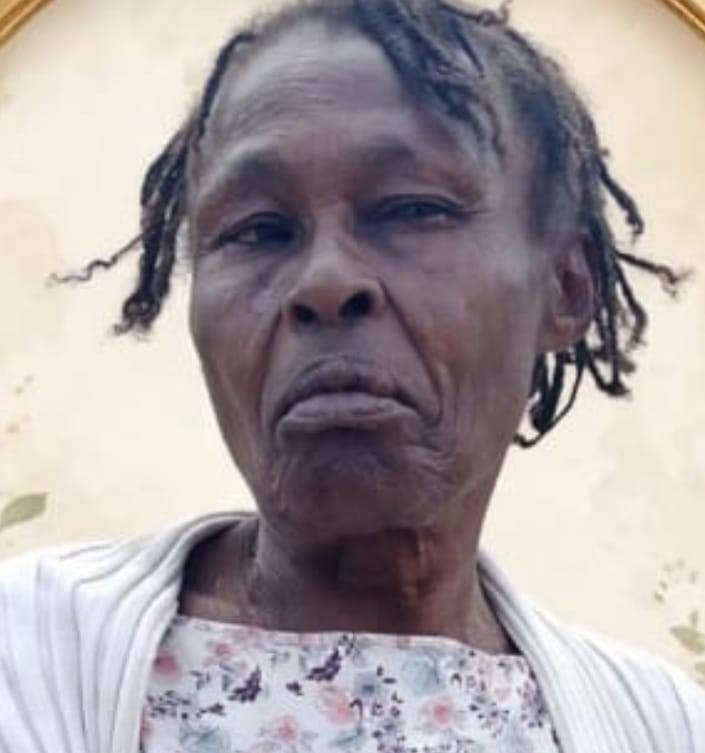
On September 3, 2026, residents of Umoja Village, formerly known as Mathare, raised the alarm after a well known woman in the community, Wambui, was found in need of urgent medical attention.
A Community Health Volunteer (CHV) who responded to the call said the condition in which she found Wambui was so severe that people were reluctant to assist her.
“When I arrived there, no one wanted to touch her because of the state she was in. I believe that is why they contacted me,” the CHV said.
Residents and volunteers quickly mobilised funds to facilitate her treatment. Wambui was taken to Ngong Sub County Hospital, where she received medical attention.
However, according to those involved in her care, the facility could not admit her amid an ongoing nurses’ strike. The volunteers were reportedly advised to seek admission at a private facility. Wambui was then taken to Matasia Nursing Hospital in Matasia.
According to information provided to Elveza Media by the facility, a group of people brought Wambui to the hospital but later left, effectively abandoning her at the facility. Later that night, Wambui was reportedly seen back in the Umoja Village area, in Ngong Town.
The following morning, residents found her lying helplessly in an alley within the village. Some members of the community attempted to care for her, including trying to feed her porridge. Her condition, however, continued to deteriorate, and she eventually died.
Her body was initially taken by police to Ngong Funeral Homes but was reportedly rejected before being transferred to the City Mortuary.
A community leader who knew Wambui told Elveza Media that she was originally from Embulbul before relocating to Umoja Village in Ngong.
According to the community leader, Wambui later became homeless and spent nights wherever well wishers were willing to accommodate her.
Those who knew her described her as a woman who could be warm towards people she respected but could also express bitterness towards those she felt had disrespected her.
Mr Clint Mbuthia, who is among those helping with arrangements following her death, described Wambui’s life as one marked by instability and hardship.
“She lived a life of instability. She has suffered a lot. Alcohol was part of her daily diet. She lacked the support system which is critical,” Mbuthia said.
For years, very little was known about Wambui beyond the immediate community in which she lived.
Following her death, those assisting with funeral arrangements established that her ancestral home was in Ithanga, Murang’a County.
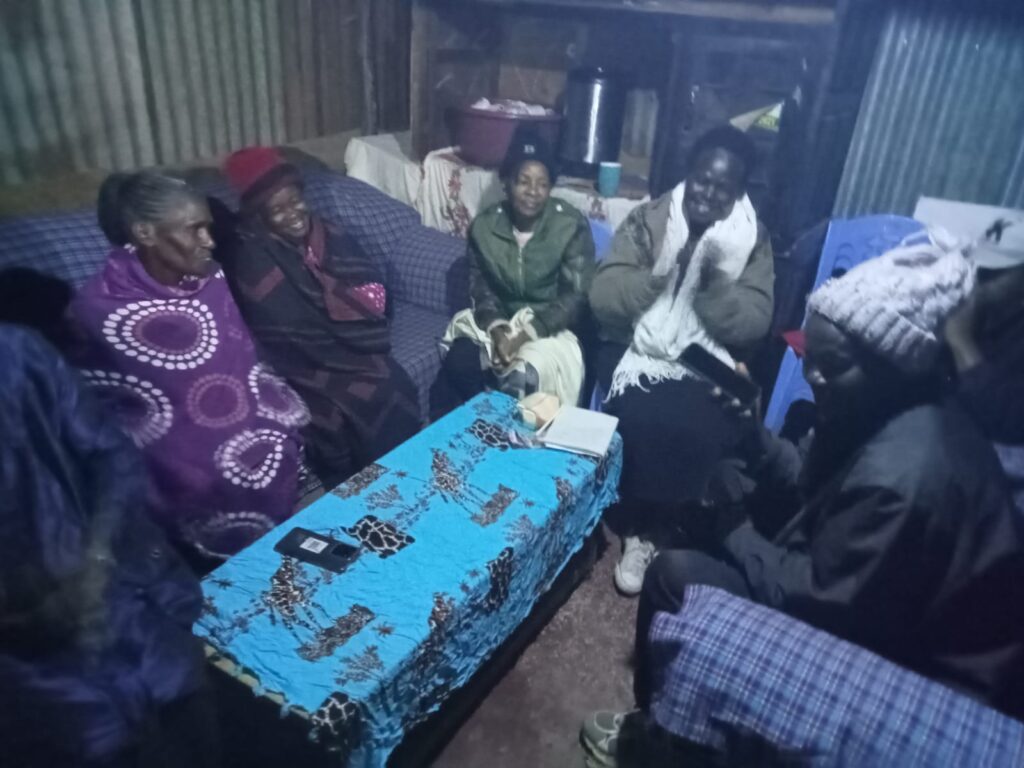
Mbuthia also acknowledged the assistance Wambui received from Jesus Winner Ministry Church in Ngong.
“I want to thank Jesus Winner Ministry Church in Ngong for supporting the deceased during her difficult days. After realizing she was homeless, the church rented her a place to live and regularly supported her with food donations,” he said.
The support, however, was not enough to resolve the wider challenges facing Wambui, according to those who knew her.
Her death has now prompted questions within Umoja Village about how vulnerable people living with homelessness, addiction, poverty and serious illness can access emergency healthcare and sustained social support.
One of her sons was traced to Birika Shopping Centre in Kajiado East. He was reportedly knocked down by a vehicle in Ngong Town two days ago and sustained injuries to his foot and neck. He is currently being hosted by a well-wisher in Umoja Village according to a CHV identified as John Mulwa.
Community Health Volunteers who spoke to Elveza Media identified emergency transport as one of the challenges facing poor and vulnerable patients in Kajiado North.
The CHVs called for allocation of emergency funds that could be accessed by community health volunteers to facilitate transportation of critically ill patients when an ambulance or other emergency transport is not immediately available.
They argued that delays in moving critically ill patients can have serious consequences, particularly for people who lack money, family support or reliable means of transport.
The concerns come as Kenya has been expanding its national emergency medical response system. On August 5, 2026, the government announced the launch of the National Ambulance Dispatch Centre, a centralised emergency medical dispatch platform intended to coordinate emergency response across all 47 counties.
The system allows people in Kenya to dial 922 to report a medical emergency. According to the government’s announcement, callers do not need to prove SHA membership before emergency assistance is dispatched.
The system is intended to coordinate county ambulances, private providers and faith based organisations within a national emergency response network.
The government has also said that calls to 922 are free across mobile networks and that trained dispatchers can establish the location of an emergency, assess the situation and identify an available ambulance and appropriate health facility.
Mbuthia has also called for revenue collected through liquor licensing to be used to support rehabilitation programmes for people struggling with alcoholism and drug addiction.
He further urged religious organisations and medical institutions to increase their involvement in supporting people experiencing homelessness, addiction and extreme poverty.
He cited Article 43 of the Constitution of Kenya, which provides for economic and social rights, including the right to the highest attainable standard of health, accessible and adequate housing, freedom from hunger, social security and other basic needs. Article 43(2) also provides that no person shall be denied emergency medical treatment.
Mbuthia argued that Wambui’s experience demonstrates the gap that can exist between constitutional guarantees and the reality faced by vulnerable people.
“Despite Article 43 being clear on these rights, the late Wambui is one of many others who are failed by both governments of Kenya. Ideally anyone unable to feed themselves should walk to the chief’s office or the social services office and get petty cash or voucher to buy food,” he said.
He called on organisations including the Law Society of Kenya, Katiba Institute and the Kenya Human Rights Commission to increase civic education at grassroots level so that vulnerable communities understand the rights provided under the Constitution.

Wambui’s death has also reignited a separate debate among some residents about the cost of healthcare for political leaders compared with the experience of ordinary citizens.
Some Umoja Village residents, who asked not to be identified, questioned why taxpayers should finance private medical insurance arrangements for elected leaders while many ordinary Kenyans struggle to access basic healthcare. The issue has been the subject of public debate for several years.
In January 2026, community organiser David Karani launched a petition titled “End the Double Standard: No Private Insurance for Kenyan Politicians.”
The petition argues that political leaders who have access to private medical insurance may not experience the challenges faced by ordinary Kenyans using public healthcare.
The petition calls for members of Parliament to rely on SHA as the publicly funded health insurance system and argues that doing so would increase accountability for the country’s public healthcare system.
The petition’s arguments are those of its author and supporters and should not be taken as an established finding about individual politicians.
Members of Parliament and other state officers have historically received medical benefits as part of their official remuneration arrangements. The precise benefits and funding arrangements are determined through the applicable legal and institutional frameworks, including decisions involving the Salaries and Remuneration Commission and the Parliamentary Service Commission.
The debate therefore goes beyond individual politicians. It raises a broader question about whether those making decisions about Kenya’s public healthcare system should themselves rely on the same public systems as the citizens they represent.
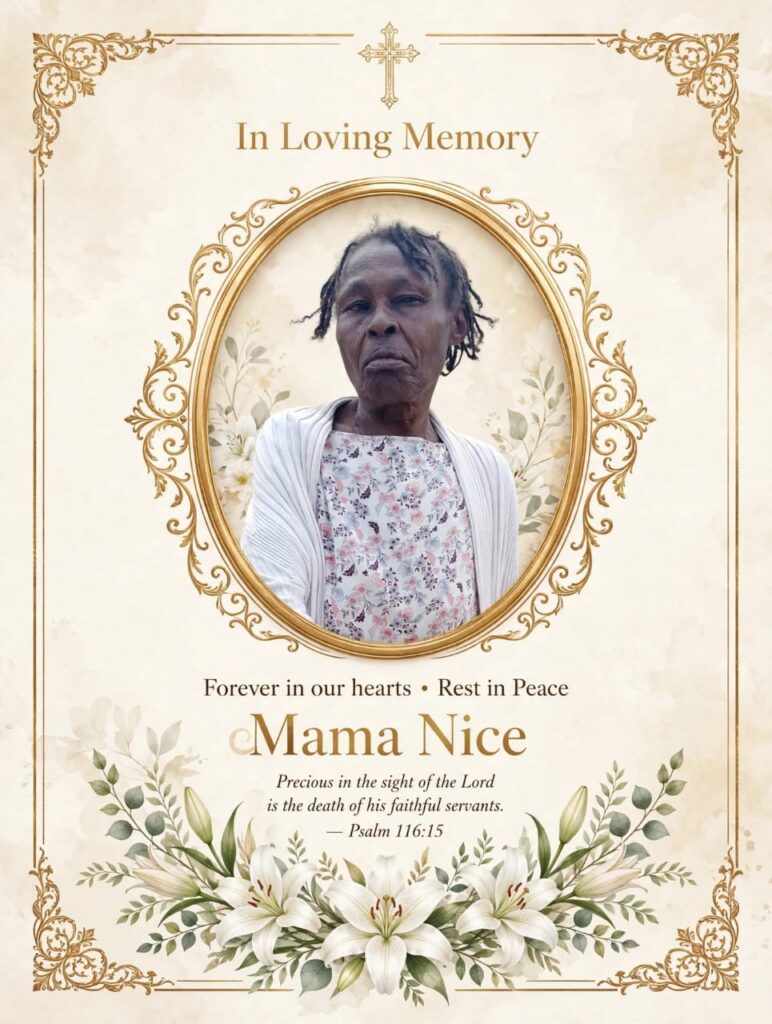
For the people of Umoja Village, Wambui’s story is not simply about one woman’s death. It is about homelessness, addiction, poverty, family breakdown, emergency transport, access to healthcare and the availability of social support for people who have nowhere else to turn.
Her story also illustrates how difficult it can be to identify vulnerable people, trace their relatives and establish their history only after they have died.
The community members who tried to help Wambui may have been acting with the limited resources available to them. The CHVs who responded to the emergency were also operating within a system whose capacity has limitations.
But her final days have left residents asking whether more could have been done before her condition became critical.
The government has established a national emergency number, 922, and has reiterated that emergency treatment should not depend on a patient’s ability to pay. The challenge now is ensuring that these policies translate into timely assistance for people living in villages, informal settlements and other communities where poverty and homelessness can make access to healthcare particularly difficult.