









A parliamentary report has uncovered a series of regulatory breaches and construction failures that led to the collapse of a multi-storey building under construction in Ole Nairi, Kajiado North constituency in May this year.
Presenting the findings before the National Assembly, the Chairperson of the Departmental Committee on Housing and Public Works said investigations pointed to widespread non-compliance and enforcement lapses in the construction of the building.
The report highlighted the following key findings:
1. Structural deficiencies and poor workmanship were identified as the primary causes of the collapse with investigators finding serious weaknesses in the building’s construction.
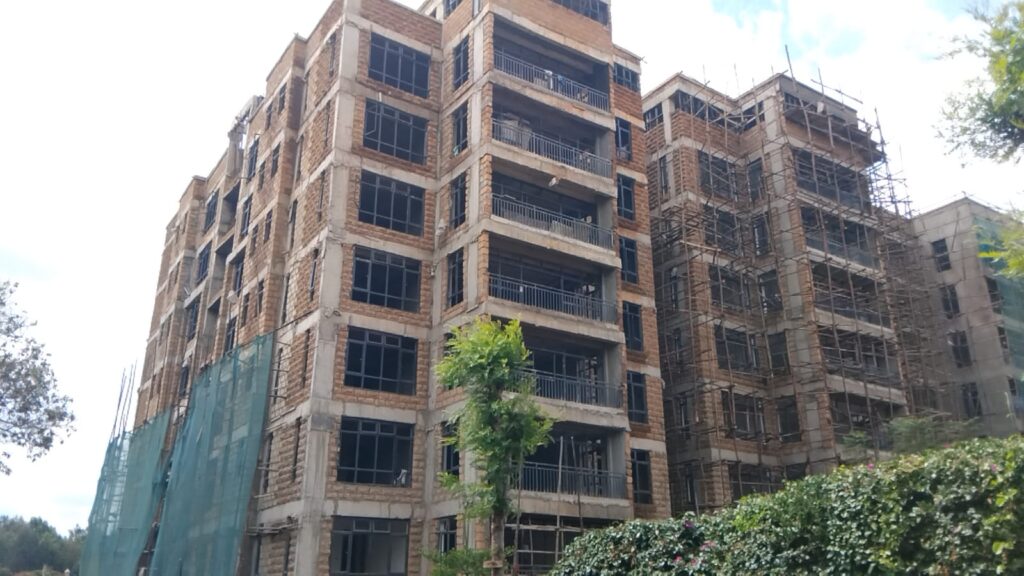
2. The building exceeded its approved height. Although the project had received approvals from the Kajiado County Government, the National Environment Management Authority (NEMA) and the National Construction Authority (NCA), the structure had exceeded its approved specifications of an eight-storey development. Inspectors established that it had reached nine floors by the time it collapsed.
3. Regulatory orders were ignored. The report found that construction continued despite concerns raised by authorities and directives issued against the project.
4. The project lost professional supervision months before the collapse. The project engineer Ngugi Jacob Kibe withdrew his indemnity in June 2025, while the architect M.Kihara formally exited the project in January 2026.
5. Construction proceeded without consultants on site. Subsequent inspections revealed that the project was being undertaken without the supervision of the appointed engineer and architect prompting the National Construction Authority to issue a suspension order.
6.Construction allegedly continued despite the directive by the National Construction Authority had suspending the project.
7. The contractor was properly registered. The State Department clarified that the contractor held a valid National Construction Authority licence contrary to claims that an unregistered contractor was involved. The developer was identified as Matthew Kipkoech Keter.
8. Claims of flight path restrictions could not be substantiated. Investigators found no evidence that Ole Nairi is officially designated as a flight path zone restricted to four-storey developments.
9. The project had obtained all the required approvals. The development had secured approvals from the Kajiado County Government, the National Environment Management Authority (NEMA) and the National Construction Authority which raised questions about enforcement and oversight.
The report concluded that the collapse stemmed from a combination of structural weaknesses, violations of approved designs and regulatory failures.
Funding and Enforcement Challenges
The State Department admitted that it faces significant financial and legal challenges in preventing building collapses including inadequate resources for continuous inspections and the lack of a clear legal framework empowering multi-agency coordination.
To address these shortcomings, the ministry has established a multi-sectoral consultative committee aimed at improving collaboration among agencies responsible for construction safety, disaster response and enforcement.
Call for Accountability
Kajiado North MP Onesmas Ngogoyo welcomed the report saying it had brought to light critical issues surrounding the construction of the building and underscored the need for stricter enforcement of building regulations.