










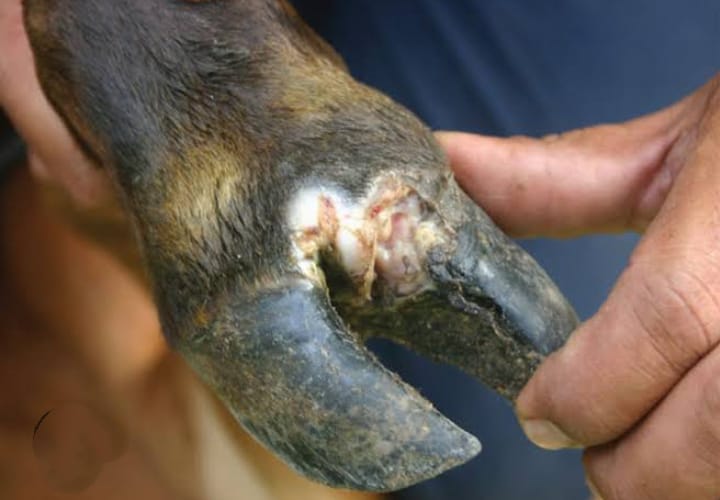
Kajiado County Government has imposed an immediate livestock quarantine in Ngong Ward, Kajiado North Sub-county, following an outbreak of Foot-and-Mouth Disease (FMD).
The quarantine, issued under the Animal Diseases Act (Cap. 364) and signed by the County Director of Veterinary Services and shared to the local administration oficers, took effect on 22 July 2026. It requires all cattle, sheep, goats, together with their products and by-products, to remain within the affected area until further notice.
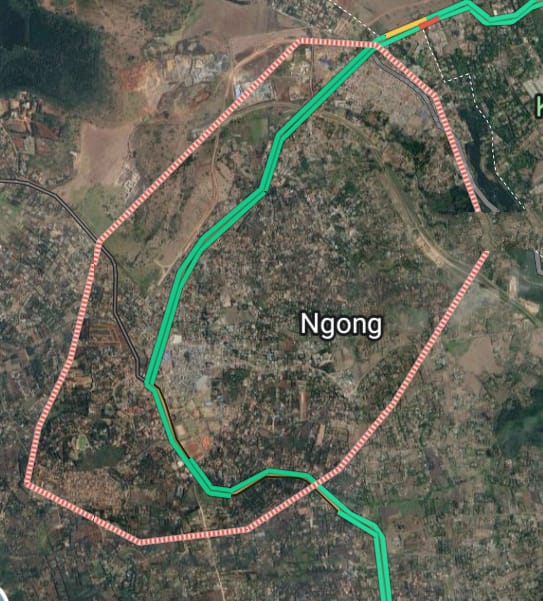
Under the directive, the movement of livestock into or out of Ngong Ward is prohibited unless authorized in writing by the Director of Veterinary Services or an appointed veterinary officer. Animals permitted to leave Ngong Ward must first be disinfected, while livestock owners have also been instructed to keep animals away from public roads wherever possible.
County veterinary officials said the restrictions are intended to contain the spread of the highly contagious viral disease, which affects cloven-hoofed animals and can cause significant economic losses for livestock farmers. The outbreak has already dealt a heavy blow to some farmers in the area.
One farmer, identified as Jimmy, while addressing the media, said he had been keeping 18 dairy cows but has lost six to the disease, estimating his financial loss at more than one million shillings. He added that milk from cows undergoing treatment cannot be consumed by either humans or animals and must be discarded, further compounding farmers’ losses. Another farmer reported losing three lactating cows, one heifer and one calf, with losses estimated at approximately 800,000 shillings.
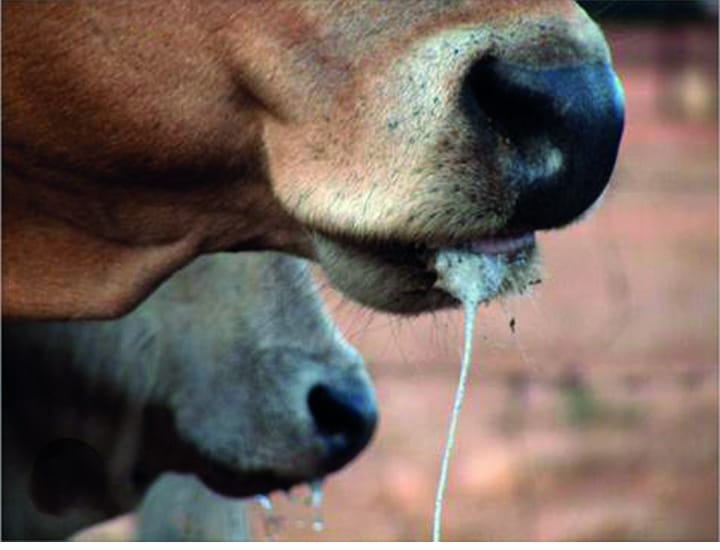
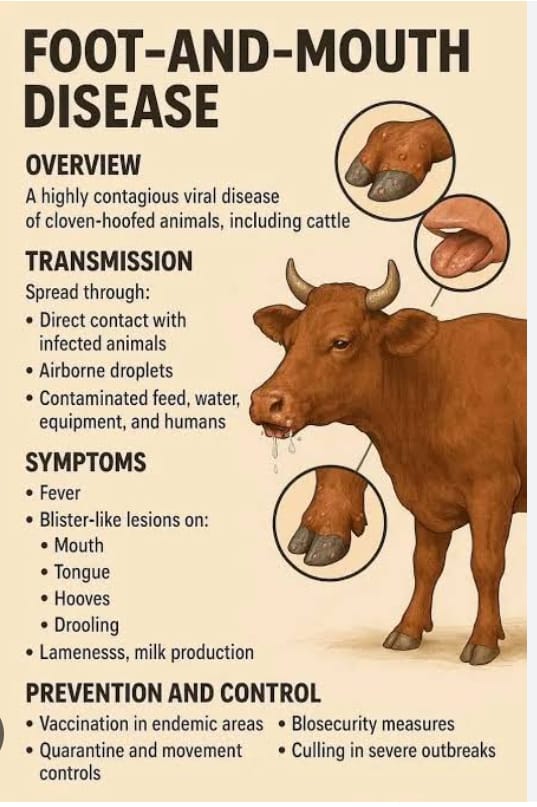
According to veterinary experts, Foot-and-Mouth Disease is caused by a virus with seven distinct serotypes and more than 60 subtypes, meaning immunity to one strain does not protect animals against the others. Clinical signs usually appear between two and 14 days after infection. Common symptoms include fever, excessive salivation, painful blisters in the mouth and on the feet, loss of appetite, reduced milk production, lameness, reluctance to move, abortions and, in severe cases, heart complications and death in young animals.
The World Organisation for Animal Health (WOAH) describes FMD as one of the world’s most economically damaging livestock diseases. It affects cattle, sheep, goats, pigs and other cloven-hoofed animals, disrupting livestock production and international trade. The virus is present in saliva, milk, semen and other secretions from infected animals. It can spread through direct contact, contaminated equipment, vehicles, clothing and feed, as well as through the air under favourable conditions. Infected animals may begin shedding the virus several days before showing visible signs of illness.
WOAH notes that although most adult animals recover, dairy cows can suffer long-term production losses, with chronic cases recording milk yield reductions of up to 80 per cent. Young calves, lambs and piglets are particularly vulnerable and may die from heart complications or malnutrition if infected mothers are unable to produce sufficient milk.
To control the spread of the disease, veterinary authorities recommend strict farm biosecurity measures, including limiting access to livestock, disinfecting buildings, equipment and vehicles, monitoring and reporting suspected cases, and ensuring the safe disposal of manure and animal carcasses. County veterinary officers have urged livestock owners in Ngong Ward to cooperate fully with the quarantine measures and report any suspected cases immediately to help contain the outbreak.
Foot and Mouth Disease was first officially recorded in Kenya during the colonial era in 1915. In 2020, Kajiado Central, livestock farmers in Kajiado East and Kajiado West sub-counties were severely affected by an oubreak.