

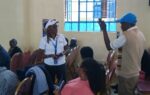






Over 300 participants including teachers, caregivers, health workers and paralegals are benefiting from an ongoing, free four-month training focused on neurodevelopmental disability support and inclusion under the Inclusive Futures Certificate Program.
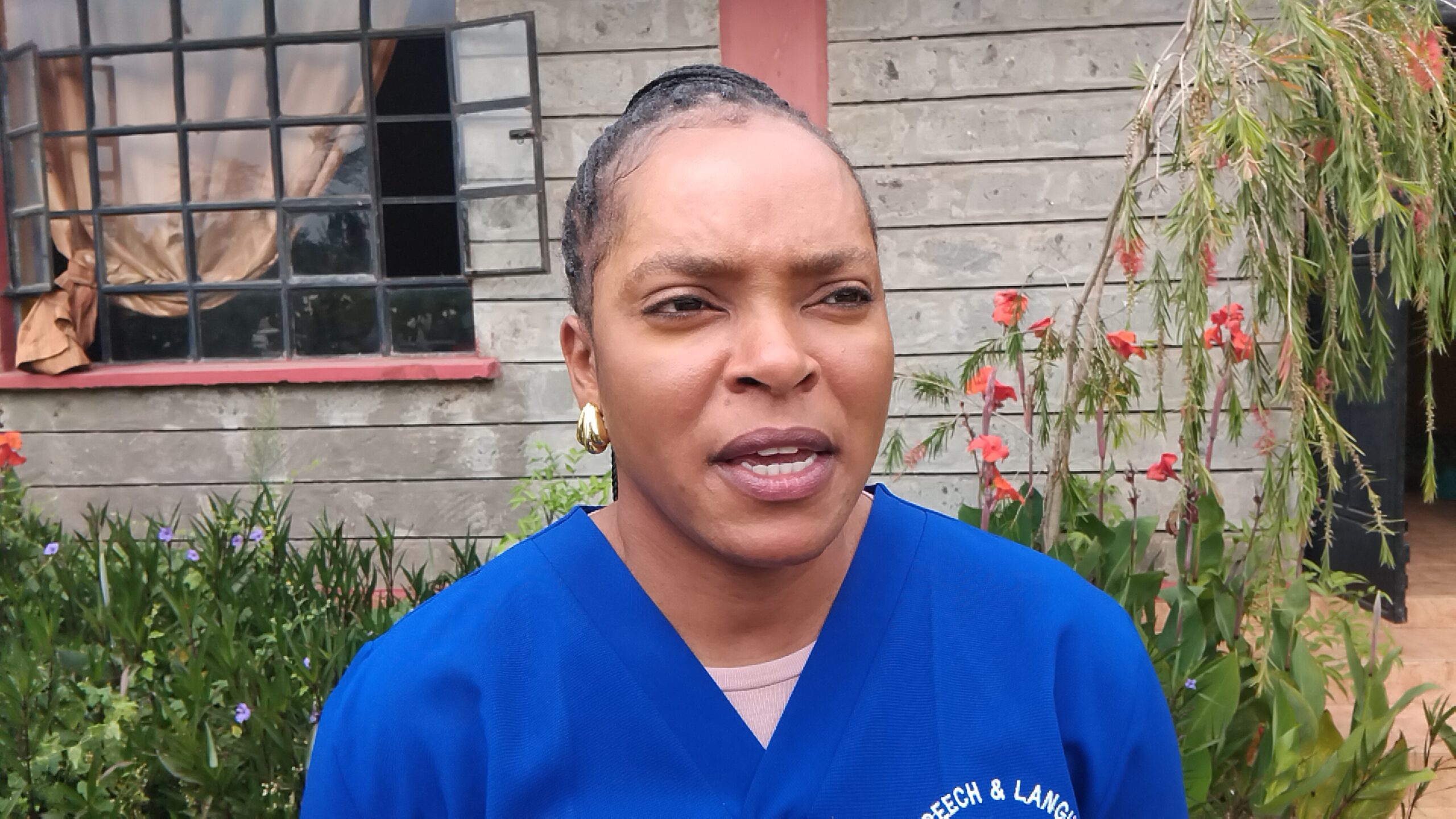
Implemented by the Orione Community Training Centre in collaboration with Manos Unidas Foundation Spain under the Pathways to Independence program, the initiative aims to strengthen community-based support systems, reduce stigma, promote inclusion and improve outcomes for children and adults living with disabilities. The programme covers key areas including early identification and intervention, communication and language development, behaviour support, disability rights, inclusive education and caregiver empowerment. While speaking at the commencement of the training programme, speech and language therapist at Orione Community Training Centre Regina Mbugua said the training was necessitated by the pre-existing gaps in disability identification and intervention within the community. “Some of these children are in regular schools but the teachers do not have the knowledge on how to assist them. These children are also in churches but the people in charge do not have ways to include them. When it comes to intellectual disability which is not visible, we felt the need to create awareness and promote inclusion,” said Mbugua.
Hellen Muthee and Gloria Wambua, Strathmore Law Clinic
Gloria Wambua, from Strathmore University Law Clinic and a participant at the training said there is a huge legal gap in addressing the needs of people with disabilities.
“Initially people with disabilities were ignored but now there is more awareness and call for inclusion. Strathmore University Law Clinic is currently working on a handbook to address these gaps,” said Wambua. To further address legal gaps for people with disability, Hellen Muthee from Strathmore University Law Clinic said the institution is working with county governments in the formulation of policies for early interventions for children with disability. Mbugua has also cited lack of awareness, misinformation and stigma as key challenges affecting people with disabilities and their caregivers. “Wrong information and lack of awareness cuts across professionals, parents to the members of the community. During assessments, stigma frequently emerges as a concern because it affects the mental and emotional well-being of parents and contributes to delayed intervention,” said Mbugua. She has called on members of the community to stop stigma against children with disabilities and parents of children with disabilities citing that children with disability can live a normal life if given early intervention. The training is expected to conclude in September. Participants who successfully complete the course will receive a certificate recognizing their enhanced knowledge and skills in disability inclusion and community practice.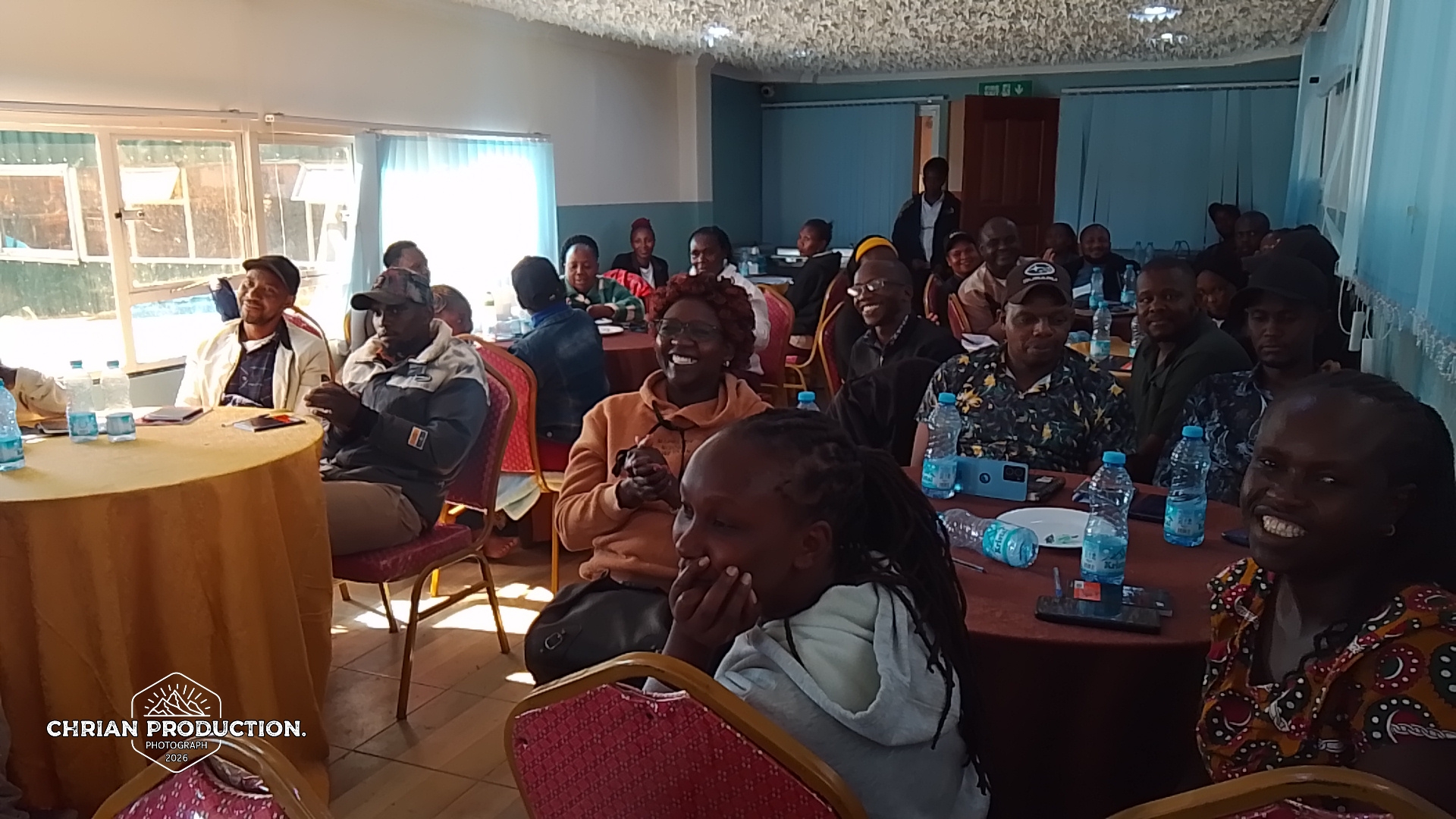


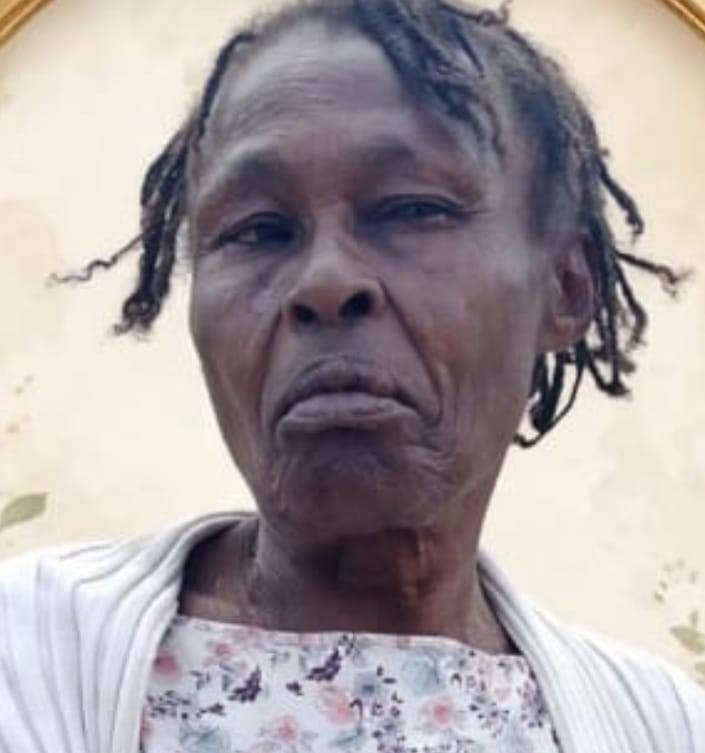
Im a teacher and passionate about learning more on how to support learners with special needs.