






By Amy Moyi
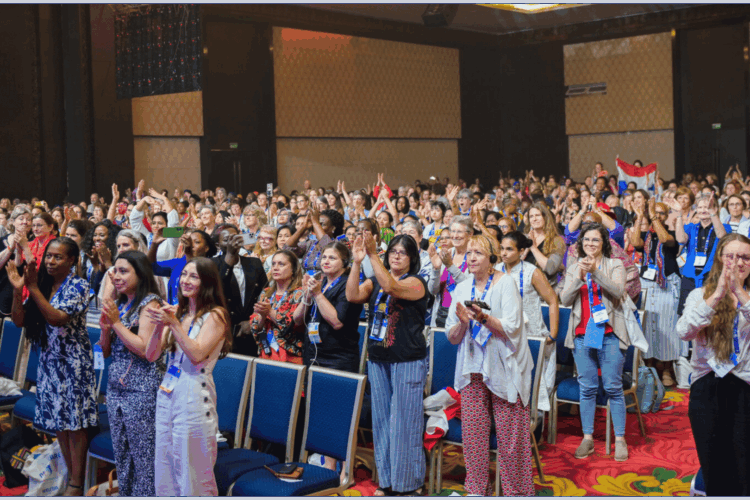
More than 3,000 midwives, policymakers, researchers and health leaders from over 115 countries have gathered in Lisbon, Portugal, for the 34th Triennial Congress of the International Confederation of Midwives (ICM) amid growing concerns over a global shortage of nearly one million midwives. The five-day congress, themed “The World Needs One Million More Midwives,” comes as new evidence highlights the critical role midwives play in reducing maternal and newborn deaths worldwide. According to the International Confederation of Midwives(ICM), there is currently a shortage of approximately 980,000 midwives across 181 countries. A recent study found that closing this gap by 2030 could save up to 4.3 million lives annually, including 67 percent of maternal deaths, 64 percent of newborn deaths and 65 percent of stillbirths. “This is not a future risk. It is a present reality,” said Anna af Ugglas, Chief Executive of the International Confederation of Midwives. “Nearly one million missing midwives means care becomes rushed and fragmented. This is a quality and safety issue for women and babies.” The congress is expected to showcase research and evidence supporting investment in midwifery as a key strategy for improving maternal and reproductive health outcomes. A peer-reviewed editorial published in Sexual & Reproductive HealthCare argues that transitioning to midwifery models of care is essential for protecting the lives of women and newborns. The publication, authored by Justine Le Lez, Anna af Ugglas and Malin Bogren, found that maternity care systems in many countries remain fragmented, over-medicalized and in some cases, fails to provide respectful care to women. The authors note that midwife-led, woman-centred care improves maternal and newborn health outcomes, reduces unnecessary medical interventions and increases women’s satisfaction with healthcare services.However, workforce shortages continue to place increasing pressure on midwives around the world. “In many settings, midwives are educated but not employed or enabled to practise fully, leaving women without access to the care they need,” said Professor Jacqueline Dunkley-Bent, Chief Midwife of the ICM. The editorial calls on governments and international institutions to strengthen political commitment to midwifery, create enabling regulatory frameworks, invest in workforce development and engage women and communities in shaping maternity services. The shortage is particularly severe in Africa, which accounts for 46 percent of the global deficit. According to the ICM, nine out of ten women across the continent do not have access to a midwife. Other regions are also facing significant gaps. The Americas are missing up to 85 percent of the midwives needed to meet demand, while approximately 69 percent of midwifery needs remain unmet in the Eastern Mediterranean region. Europe, despite having some of the world’s most developed health systems, continues to experience persistent shortages in several countries. The World Health Organization (WHO) recognises midwives as essential providers of care throughout pregnancy, childbirth, the postpartum period and the early weeks of a newborn’s life. Midwives are also trained to provide up to 90 percent of essential sexual and reproductive health services in a manner that is cost-effective, sustainable and respectful of human rights. Health experts warn that the shortage could leave health systems more vulnerable to future crises. Midwives are often among the first healthcare professionals to respond during emergencies, including disease outbreaks, climate-related disasters, conflicts and funding disruptions. “Midwives work at the heart of their communities, so they often see the impact of a crisis before it reaches the wider health system,” the ICM said. “When climate events, disease outbreaks, conflict or funding cuts disrupt health services, midwives help keep essential care available, trusted and close to home.” As delegates meet in Lisbon, the congress is expected to amplify calls for greater investment in the profession and renewed efforts to ensure women everywhere have access to quality, respectful and life-saving maternity care.
Headlines