








adminelveza

Rising shoplifting concerns in Kajiado North as Kiserian incident adds to reports of suspected organized theft.

Kenya’s prison population stood at an average of 60,740 inmates in 2025 with female population averaging at 4.8%, including pre-trial detainees and remand prisoners, according to Kenya National Bureau of Statistics (KNBS). Against this backdrop, businesses in parts of Kajiado North are raising concerns over a number of reported shoplifting and theft incidents, with some traders alleging that groups of women may be involved in coordinated criminal activities. A shoplifting incident was this morning August 14 2026 reported at Kiserian Police Station. According to information provided by the affected business, video footage shows a female putting goods from the store’s shelves straight into her handbag. The incident comes amid recent reports of suspected organized shoplifting activities targeting businesses in different parts of Kajiado North. Officers from Kiserian Police Station led by OC Crime Alfred Juma responded and arrested the suspect who has since been identified as a 23 yr old mother of two children aged 3 and one. “She has been going through financial challenges lately, but it is a shock for me to hear that she has been arrested for shoplifting. I raised her well. She is a form two dropout due to lack of school fees. I was going through a lot that time. She is currently working in a salon as a nail technician but business has been low according to her” the mother said In other such cases involving female shoplifters, an alleged all female gang was captured by cctv cameras in July this year, targeting businesses in Kerarapon, Kajiado North. The affected business owners in Kerarapon, said they suspected the individuals involved may have come from Karinde in Kiambu County. The Kerarapon incident followed other reported cases involving groups of women suspected of shoplifting in the wider area. Approximately two years ago, a group of women wearing religious attire was captured by CCTV cameras stealing goods from Karengatah Supermarket in Oloolua. The suspects were reported to have stolen cooking oil and other goods. Approximately six months ago, several women were also captured on CCTV allegedly shoplifting from Optidrops Supermarket in Ngong. Business owners are being encouraged to strengthen CCTV monitoring, maintain accurate stock records and promptly report suspected theft to police rather than confronting suspected offenders themselves. Business owners have raised concerns over possible use of women by criminal networks. Eric Nderu, a resident of Kiserian, said he suspects the rise in reports involving all female groups could potentially be linked to larger criminal networks using women to carry out certain activities. He suggested that some criminals could be exploiting perceptions that women may receive more lenient treatment when caught committing offences. “Male thieves will most likely face a burning tyre or fuel if found committing crime,” Nderu said. His comments reflect concerns within the community, although allegations linking individual suspects to organized criminal networks would need to be established through investigations by law enforcement agencies. The repeated mention of CCTV footage in the reported incidents demonstrates the growing role of surveillance technology in protecting businesses and supporting investigations. Cameras can help businesses identify suspicious activity, establish timelines and preserve evidence that can be handed over to investigators. However, CCTV footage should be handled carefully and provided to law enforcement rather than being used to publicly identify or punish suspects before investigations and due process are completed. As reports of shoplifting continue to emerge from different parts of Kajiado North, traders are being encouraged to strengthen preventive measures, remain vigilant and report crime incidents to the police no matter how petty they seem. Businesses can improve security by ensuring CCTV cameras cover entrances, exits and key areas, maintaining daily stock records, training employees to recognize suspicious behaviour and establishing clear procedures for reporting incidents. There are cctv installers in Kajiado North such as High Peak Technologies and many others. With Kenya recording an average prison population of 60,740 people in 2025, the wider challenge extends beyond arrests and imprisonment. Effective policing, timely investigations, efficient prosecution, crime prevention and rehabilitation all remain important components of addressing crime in communities.


Read Full News

Tensions rise between Nangkis and Wakimali matatu operators over Kikuyu and Ngong routes

Tensions have emerged between Nangkis and Wakimali matatu operators over the operation of public service vehicles between Kikuyu and Ngong, with accusations of intimidation and interference in the two stages. The dispute came to the fore after Nangkis operators alleged that some of their vehicles were being prevented from operating from Kikuyu, allegedly because they do not vote in the area. Nangkis operators further claimed that drunk goons allegedly mobilised by Wakimali stage management at Kikuyu bus park had harassed some of their vehicles and manhandled conductors. One Nangkis operator questioned why their vehicles were allegedly being prevented from carrying passengers from Kikuyu bus park while Wakimali vehicles are allowed to operate in Ngong. “Why is Wakimali preventing us from operating from Kikuyu yet we allow them to operate in Ngong? We want peace. Wakimali watupende na sisi tuwapende,” said one operator. Mr Simon Gakure, another Nangkis operator, said he had been told to drop passengers in Kikuyu and leave rather than pick up passengers from the stage. “I went to Kikuyu and was told I should just drop passengers and leave. I pay revenue in Kikuyu and and therefore I should operate there freely without any kind of intimidation. This issue should be dealt with once and for all,” he said. The disagreement has raised concerns that the dispute could escalate into a reciprocal restriction, with Nangkis operators suggesting that if they are prevented from carrying passengers from Kikuyu, they could similarly restrict Wakimali vehicles from carrying passengers in Ngong. However, Maina who is a member of Wakimali Sacco, speaking during discussions on the matter, urged operators to use the proper legal channels to resolve the dispute. He said anyone preventing a matatu from carrying passengers should report the matter to the relevant county government authorities, while cases of assault should be reported to the police. Maina also questioned why the meeting to address the dispute was being held in Ngong instead of Kikuyu, where some of the alleged incidents had occurred. The Kikuyu Bus Park Vice Chair, Mr Wainaina, said there should be no intimidation of operators at the Kikuyu stage. He explained that Kikuyu has approximately 45 matatu SACCOs and said the Nangkis SACCO has two slots at the stage. One for carrying passengers and another for dropping them off. Wainaina added that a new bus park is expected to open and become operational next month, which he said would help address some of the challenges currently facing operators. “In Kikuyu, no one should intimidate anyone. Anyone intimidating anyone in Kikuyu should be held accountable,” Wainaina said. The Nangkis team, however, accused Mr Wainaina of doing nothing when the alleged intimidation by goons was taking place in his presence. The Wakimali team has since given an assurance that Nangkis matatus will not be intimidated while operating in Kikuyu. Kajiado North Sub-County Administrator Samuel Muchiri said that in case the dispute is not resolved, he will reach out to his Kikuyu Sub County counterpart in order to permanently resolve the matter. The operators were also urged to discourage individuals involved in intimidation from continuing with such actions and to seek intervention from the relevant authorities whenever disputes arise. With both sides relying on the same transport network between Kikuyu and Ngong, operators have called for dialogue and a lasting agreement to prevent further confrontation and disruption of public transport services. The opening of the new Kikuyu bus park is also expected to provide additional space and a more structured system for managing the various SACCOs operating in the area.

Read Full News

Hassan Calls on UDA to Expel Nominated MCA Nais Karia After DCP Defection

2027 Ngong Ward MCA aspirant Mohammed Hassan, has called on the United Democratic Alliance (UDA) to expel nominated MCA Nais Karia from the party following her reported defection to the Democracy for Citizens Party (DCP). Speaking on Karia’s move to DCP, Hassan said UDA should withdraw her nomination, arguing that her decision to leave the party meant she could no longer be trusted to represent it. “Now that Karia, who was nominated by UDA, has decamped to DCP, UDA should strip off her nomination because she can no longer be trusted,” Hassan said. In response to our request for a response on Mr Hassan’s statement, Nais Karia has shared the following statement to Elveza Media; “Hon. Nais Karia has officially joined the Democracy for the Citizens Party (DCP), marking a new political direction ahead of the 2027 General Election and reaffirming her commitment to serving the people of Kajiado County. Announcing the decision following extensive consultations with residents and her political team, Hon. Karia said the move reflects her desire to remain responsive to the views and aspirations of the people she seeks to represent. “I have not changed the people I want to serve; I have changed the political platform throughwhich I believe I can best serve them.” Hon. Karia said she had engaged widely with women, young people, pastoralists, farmers, business owners and families across Kajiado County before making the decision. “Leadership begins with listening. Any serious leader must remain connected to the people they seek to represent. This decision is broader than an election; it is about where I believe I can most effectively pursue the interests of Kajiado and serve our people better,” she said. While announcing her move to DCP, Hon. Karia acknowledged her previous association with the United Democratic Alliance (UDA) and the Government, expressing appreciation for the relationships, experiences and opportunities gained during that period. The change in political direction should not be interpreted as a rejection of everything she previously supported, noting that leadership requires the ability to listen, learn and respond to changing circumstances. Hon. Karia also called for tolerance and mutual respect among supporters across the political divide. “Political differences should never turn neighbours, friends and colleagues into enemies. I respect those who may disagree with my decision, just as I ask them to respect my decision to take a different political path,” she said. Explaining her decision to join DCP, Hon. Karia said she believes the party provides a platform through which she can work with others to advance the interests of Kajiado residents and contribute to the change she wants to see in the country. “My team and I believe in DCP and its leadership as agents of the change we want to see in our country. I join fellow DCP leaders and supporters in Kajiado County, and I look forward to working hand-in-hand with them for a better future for our people,” she said. Hon. Karia stressed that joining an opposition party would not prevent her from supporting government programmes and initiatives that benefit Kajiado residents. “I respect the President and the institutions of Government. Where Government delivers something that benefits the people of Kajiado, I will support it. Where I believe our people deserve better, I will have the courage to speak up. My politics will remain focused on the interests of our people, not opposition for the sake of opposition,” she said. Looking ahead to the 2027 Kajiado County Woman Representative race, Hon. Karia said her focus remains on service, accessibility and continued engagement with residents. “Ultimately, the people of Kajiado will decide who deserves their confidence and the responsibility of representing them. I intend to present myself on the basis of service, accessibility, integrity and commitment to the issues affecting women, young people andfamilies across our county,” she said. Hon. Karia reaffirmed that despite the change in political affiliation, her commitment to Kajiado remains firm. “Political platforms may change, but my priority remains the same for the people of Kajiado. Our women, young people, pastoralists, farmers, businesses and families will remain at the centre of my leadership and service.” Under the ⁠Political Parties Act, Nominated MCAs hold their seats through their specific political party lists, submitted to the Independent Electoral and Boundaries Commission (IEBC). If a nominated member of the assembly changes allegiance to another political party, the party that nominated her can trigger a replacement. One such case of expulsion is that of Nominated Senator, Ms Gloria Orwoba, who was expelled from the United Democratic Alliance (UDA) which had nominated her. Ms Orwoba lost her seat after being accused by UDA party of disloyalty towards the party and expelled her. Her position was taken over by Ms Wakwabubi, who was the next on the party nomination list. The issue raises questions about the status of nominated MCAs who leave the political parties, through whose nomination lists they secured their seats. Under Kenya’s political parties framework, nominated county assembly members obtain their positions through party lists submitted to the Independent Electoral and Boundaries Commission (IEBC). Where a vacancy occurs, the relevant political party can initiate the process of replacing the member in accordance with the law and its nomination list. The Office of the Registrar of Political Parties (ORPP) also has a role in determining whether a member can legally be deemed to have resigned from a political party. According to the ORPP, when the Registrar receives a complaint from a person seeking to have a political party member deemed to have resigned, the Registrar assesses whether the complaint is justified. Where the Registrar determines that there is a reasonably justifiable cause, the member concerned and their political party are notified. The party is then required, within seven days, to constitute its National Executive Committee to consider whether the member should be deemed to have resigned and communicate its decision to the Registrar. Where the complaint is insufficient, it is dismissed and the complainant notified of the decision. The question of party loyalty…

Read Full News

Storm in Kangawa over a football viewing hall

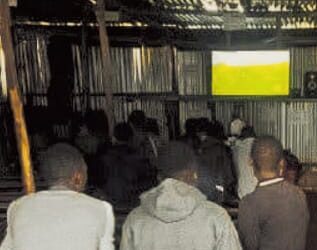
Plans to establish a football viewing hall along Drive 18, Kangawa Road, Oloolua Ward, Kajiado North have sparked debate among residents, with some supporting the proposal while others have raised concerns about security, public participation and possible social impacts. Mr Kennedy Odongo wrote to the local Nyumba Kumi committee on 18 April 2026, seeking permission to establish the facility. In his letter, Odongo stated that the proposed hall would be used strictly for watching football matches. He said the facility would provide local youth and residents with a convenient and safe place to watch football without having to travel long distances to other viewing centres. According to Odongo, the premises would remain closed after matches to help maintain peace and order in the neighbourhood. However, some residents have opposed the proposal, citing concerns over insecurity, idleness and other anti-social behaviour that they fear could arise around the facility. Others have questioned whether adequate public participation involving immediate neighbours was conducted before the proposal was made. A resident of Kangawa, however, supported the proposed facility, arguing that the area could benefit from businesses and recreational facilities. “The resident said Kangawa would struggle to develop if residents continued opposing initiatives they considered beneficial to the community.” The resident said Incase, the business gets a thumbs up from the residents, the proposed facility would be required to comply with applicable county and national licensing requirements before commencing operations. According to the Kajiado County Finance Bill 2026, there is currently no specific category listed as a “football viewing hall.” Such a business may therefore fall under the applicable category for video show or entertainment facilities, depending on how the county classifies the premises. The Finance Bill lists charges for video-show facilities. A large video-show facility with more than 100 seats attracts a fee of KSh30,000 in Zone A and KSh15,000 in Zone B, while a small video-show facility attracts KSh5,000 in Zone A and KSh3,000 in Zone B. The operator would also be expected to meet relevant public health and fire safety requirements, including adequate ventilation, emergency exits and sanitation facilities, before obtaining the necessary clearance and inspection certificates. At the national level, facilities exhibiting films or other regulated audiovisual content may also be subject to requirements administered by the Kenya Film Classification Board (KFCB) under the Films and Stage Plays Act. Where copyrighted music is played as part of the audiovisual content, the operator may also need the appropriate copyright licence from the relevant collective management organisation. Members of the public can raise objections or concerns about proposed entertainment facilities where they believe the development could create security problems, excessive noise, environmental concerns, general nuisance or expose children to inappropriate content. Such concerns can be presented to the relevant county authorities and other regulatory bodies during the applicable approval and public participation processes. The debate in Kangawa now centres on whether the proposed football viewing hall can provide a useful recreational space for residents while addressing the concerns raised by neighbours over security, licensing and the character of the neighbourhood.

Read Full News

A simple act of kindness uncovers a family’s silent struggle with poverty.

What began as an ordinary trip to the supermarket for a Ngong resident turned into a sobering encounter that has drawn attention to the harsh realities faced by many struggling families. The resident was walking through Ngong when he noticed a young boy sitting alone by the roadside. Rather than walking past, he stopped to greet the child and ask why he was there. The boy replied that he was begging for food because he was hungry. Unsure whether the child was telling the truth, the resident contacted a children’s welfare volunteer in Ngong, who responded immediately. The volunteer spoke to the boy and accompanied him to his home, where they met his mother operating a small green grocery business along Kangawa Road in Oloolua Ward. The mother, who identified herself as Josephine Ngesa, said she had no knowledge that her son had left home to beg for food. “I did not send my child to beg. I was not aware that he had gone out to ask people for food,” she said. Ngesa, a single mother of four, has been raising her children alone for the past 13 years after their father abandoned the family when their youngest child was just one day old. She moved to Ngong in 1997 after meeting her then Ugandan husband. Before settling in the area, she worked in the hotel industry. Having completed only primary school, Ngesa never had the opportunity to join secondary school. The cycle of hardship continuing into her next generation is becoming more obvious everyday. Her children, now aged 22, 18 and 16, were also unable to proceed to secondary school due to financial constraints. She remains hopeful that her youngest son, aged 12, will be the first in the family to continue his education beyond Class Eight. “I want him to have the opportunity we never had and break the cycle of poverty in our family,” she said. Ngesa who operates a small grocery business explained that she currently lives in a rental property after one of the landowners relocated following the government’s acquisition of land for the Standard Gauge Railway (SGR) project. “One of the families that moved leased the property to me for KSh4,000 per month. Even then, I am struggling to keep up with the rent,” she said. Her story reflects the broader challenges facing many households across Kenya. According to the Kenya National Bureau of Statistics (KNBS), female-headed households experience slightly higher poverty levels than male-headed households, with poverty rates of 35.3 per cent and 32.6 per cent respectively. Households with children are also more vulnerable. They recording a poverty rate of 38 per cent, compared to 24 per cent among households without children. KNBS data further shows that 33.1 per cent of Kenyan children aged 0 to 17 years, about 7.5 million children, were food poor in 2022. Nationally, the food poverty headcount stood at 31.7 per cent, meaning more than 16 million Kenyans were unable to afford the minimum food requirements. Food poverty remains more widespread in rural areas than in urban centres, while nearly 3.6 million people were living in conditions of hardcore poverty in 2022, unable to meet even their minimum food needs. For the Ngong resident who stopped to speak to a child sitting alone by the roadside, a simple act of kindness uncovered a family’s silent struggle with poverty. A struggle that mirrors the daily reality of millions of vulnerable households across the country.

Read Full News

Governor Lenku Commends Joho’s action against mining company

Governor Joseph Ole Lenku has commended the National Government for suspending Tata Chemicals Magadi Limited mining licence, describing the move as a significant step towards protecting the interests of the local communities and the environment. He reaffirmed Kajiado County’s commitment to working closely with the National Government and other stakeholders to ensure that any future mining activities are carried out transparently, responsibly, and in accordance with the law. The governor said the compliance enforcement by the national government is very important and claimed that Tata chemicals is operating on a non existing lease for the land they hold through irregular acquisition and is not licensed. “It is in public domain that the entire Magadi Ward 240,000 acres are under Tata Chemicals contrary to the law that it is community land.” Lenku claimed Lenku further said the first justice is for the land to revert to revert to the Maa Community and allow Tata Chemicals to operate within the 8000 acres lake area together with 8 other operators because research has indicated there is capacity. The governor claimed Tata chemicals are not complying with the taxation requirements, are falsifying records and have not remitted levies, land rates and taxes to the county government well over 10 billion shillings. The governor also alleged that Tata Chemicals does not pay taxes on water to the county government. “Their commitment to the Magadi Community falls far below the expectation of their capacity. The number of local employees is completely unsatisfactory. The representation of the Magadi community in their board and the county government is not there.” Lenku said Kajiado County Senator Kanar Ole Seki who had accompanied Governor Lenku during the press briefing, also praised CS Joho for taking action against Tata Chemicals Magadi Limited. “What the cabinet secretary has done is appropriate. The county government, county leadership, Magadi community must be brought on board during any discussions.” Seki said Tata Chemicals Magadi Limited has since responded to the suspension of its mining license by stating that it is fully compliant with Kenyan laws and has adhered to all statutory regulations governing its operations. Formerly known as Magadi Soda Company, Tata Chemicals Magadi has been a part of Tata Chemicals since 2005. Tata Chemicals Limited, part of the global Tata group, with a portfolio of household products, industrial chemicals and agricultural inputs. Tata Chemicals Limited has operations in the United States, the United Kingdom, Kenya, and India.  The company is a key supplier of sustainable soda ash to the global glass, detergent, and chemical industries. This is not the first attempt to suspend or close down Tata Company operations by the authority. On 24 October 2025, in a court ruling following an appeal against the ruling and order of the High Court at Kajiado (R. Nyakundi, J.) dated 3rd May 2019 in Petition No. 2 of 2019) the judge presiding over the case (Tata Chemicals Magadi Limited v County Government of Kajiado (Civil Appeal 530 of 2019) [2025] KECA 1721 (KLR) (24 October 2025) declared that Tata Chemicals Magadi Limited was not obliged to pay the Kshs.17,448,485,646 as demanded by the respondent because: Court documents showed that the land Tata Chemicals Magadi Limited formerly Magadi Soda Company operates from, was leased on 20th March 1928.  The Government of the Republic of Kenya allowed the appellant to search for, excavate, extract and carry away all the Magadi deposits in two parcels of land, LR No. 1026/R and LR No. 3867, located at Lake Magadi and Lake Natron in what is now Kajiado County. Land portion LR No. 1026/R covered about 211,104 acres while LR No. 3867 covered about 11,678 acres. The appellant, in the Agreement, secured another lease, the railway lease, over LR No. 2341/R that covered about 2,209 acres. About the year 1997, a dispute arose between the Magadi Soda Company which was in December 2005 acquired by Tata Chemicals Limited following the purchase of its parent company, the United Kingdom based Brunner Mond Group and Olkejuado County Council. The dispute ended up in litigation, following which there was a settlement contained in the Agreement signed on 24th February 2004 between the parties. Under Clause 4:2 of the Agreement, the appellant was to pay an amount equal to the industrial rate of Kshs.50 per acre for 50,000 acres, minus the 14,031 acres on which it was already paying industrial rates at the time of the Agreement. Magadi Soda Company was required to, within two years, determine how much land it still required to enable part of the land it held to be surrendered to the Group Ranches. In the event that the Magadi Soda Company did not make the determination, the rates payable on the premises and the railway land would be deemed to be the charged rate at industrial rate, but subject to the Rating Act (Cap. 267).   Magadi Soda Company officially changed its trading name to Tata Chemicals Magadi Limited in April 2011. In 2014, Kajiado County Government increased the industrial rate from Kshs.50 to 120 per acre. The appellant was facing financial difficulties. Several meetings were held to develop a payment plan for Kshs.20,325,130 which was outstanding. The County Government enacted the Kajiado Finance Bills 2013/2014, 2015/2016, 2016/2017 and 2017/2018 which purported to levy and increase land rates in respect of the appellant’s premises to Kshs.11,000 per acre and Kshs.14,000 per acre, respectively, per year. Tata Chemicals Magadi Limited complained about the exponential increase which it said was going to paralyse its operations. This was because it was operating with negative net worth and had been kept going by line of credit from the parent company. Kajiado County Government went ahead and enacted the Kajiado County Finance Bill 2018/2019 which prescribed land rates at Kshs.2,000 per acre. Tata Chemicals Magadi Limited contested these Bills by stating that the Bills had not been gazetted in the Kenya Gazette and therefore they could not take effect before gazettement. The other complaint was that these Bills and the proposed levies had been done…

Read Full News

Kajiado bans cattle movement in Ngong ward

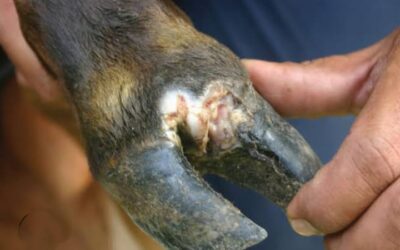
Kajiado County Government has imposed an immediate livestock quarantine in Ngong Ward, Kajiado North Sub-county, following an outbreak of Foot-and-Mouth Disease (FMD). The quarantine, issued under the Animal Diseases Act (Cap. 364) and signed by the County Director of Veterinary Services and shared to the local administration oficers, took effect on 22 July 2026. It requires all cattle, sheep, goats, together with their products and by-products, to remain within the affected area until further notice. Under the directive, the movement of livestock into or out of Ngong Ward is prohibited unless authorized in writing by the Director of Veterinary Services or an appointed veterinary officer. Animals permitted to leave Ngong Ward must first be disinfected, while livestock owners have also been instructed to keep animals away from public roads wherever possible. County veterinary officials said the restrictions are intended to contain the spread of the highly contagious viral disease, which affects cloven-hoofed animals and can cause significant economic losses for livestock farmers. The outbreak has already dealt a heavy blow to some farmers in the area. One farmer, identified as Jimmy, while addressing the media, said he had been keeping 18 dairy cows but has lost six to the disease, estimating his financial loss at more than one million shillings. He added that milk from cows undergoing treatment cannot be consumed by either humans or animals and must be discarded, further compounding farmers’ losses. Another farmer reported losing three lactating cows, one heifer and one calf, with losses estimated at approximately 800,000 shillings. According to veterinary experts, Foot-and-Mouth Disease is caused by a virus with seven distinct serotypes and more than 60 subtypes, meaning immunity to one strain does not protect animals against the others. Clinical signs usually appear between two and 14 days after infection. Common symptoms include fever, excessive salivation, painful blisters in the mouth and on the feet, loss of appetite, reduced milk production, lameness, reluctance to move, abortions and, in severe cases, heart complications and death in young animals. The World Organisation for Animal Health (WOAH) describes FMD as one of the world’s most economically damaging livestock diseases. It affects cattle, sheep, goats, pigs and other cloven-hoofed animals, disrupting livestock production and international trade. The virus is present in saliva, milk, semen and other secretions from infected animals. It can spread through direct contact, contaminated equipment, vehicles, clothing and feed, as well as through the air under favourable conditions. Infected animals may begin shedding the virus several days before showing visible signs of illness. WOAH notes that although most adult animals recover, dairy cows can suffer long-term production losses, with chronic cases recording milk yield reductions of up to 80 per cent. Young calves, lambs and piglets are particularly vulnerable and may die from heart complications or malnutrition if infected mothers are unable to produce sufficient milk. To control the spread of the disease, veterinary authorities recommend strict farm biosecurity measures, including limiting access to livestock, disinfecting buildings, equipment and vehicles, monitoring and reporting suspected cases, and ensuring the safe disposal of manure and animal carcasses. County veterinary officers have urged livestock owners in Ngong Ward to cooperate fully with the quarantine measures and report any suspected cases immediately to help contain the outbreak. Foot and Mouth Disease was first officially recorded in Kenya during the colonial era in 1915. In 2020, Kajiado Central, livestock farmers in Kajiado East and Kajiado West sub-counties were severely affected by an oubreak.

Read Full News

Ngong Municipality receives 693 million shillings development funds.

Ngong Municipality is set to receive Ksh693 million for urban development after successfully meeting the performance requirements of the Kenya Urban Support Programme Phase II (KUSP II), according to a statement released by the Governor’s Press Service in Kajiado County. The allocation is the largest among Kajiado County’s municipalities. Kitengela Municipality has been allocated Ksh304 million, while Kajiado Municipality will receive Ksh43 million. The funding follows the municipalities’ successful assessment under KUSP II and the First and Second Annual Performance Assessments (APA I and APA II). According to the Ministry of Lands, Public Works, Housing and Urban Development, KUSP II is a national programme aimed at promoting sustainable urban development, strengthening municipal governance, improving infrastructure and enhancing service delivery. The programme also supports the integration of marginalized communities and refugee-host areas while helping municipalities respond to the challenges of rapid urbanization. The World Bank partially finances KUSP II, which has benefited 59 municipalities in 45 counties. More than 300 projects have been implemented across the country, including investments in solid and liquid waste management, stormwater drainage, roads, connectivity, fire and disaster management facilities, markets and other socio-economic infrastructure. Municipalities qualify for grants after annual assessments that evaluate governance, financial management, urban planning and service delivery. Ngong Municipality has already completed several projects under the first phase of KUSP, including:1. Tarmacking the Cleanshelf Supermarket–Saitoti Hospital–Gataka Road (1.5 km) in Nkaimurunya Ward.2. Tarmacking the Kaurai Junction–Kiserian Primary School–Magadi Road Junction (1.4 km) in Olkeri Ward.3. Tarmacking the Juanco–Olepolos Road (1.1 km) in Oloolua Ward.4. Tarmacking the Kenol–Kobil–Wama Dispensary–Mechanic Parking Lane Road (1.1 km) in Ong’ata Rongai Ward.5. Construction of 800 metres of pedestrian-friendly cabro roads in Kiserian Market, Keekonyokie Ward.6. Construction of a stormwater box culvert at Juanco in Oloolua Ward.7. Development of stormwater drainage channels alongside newly tarmacked roads.8. Phase I decommissioning of the Ngong dumpsite.9. Landscaping and establishment of the Ngong Ward Beautification Park and shoe-shiner sheds.10. Construction of modern public toilets in Ngong Town.11. Development of relocation frameworks for roadside traders in Kiserian and Ong’ata Rongai. Under KUSP II, the KSh693 million allocation will finance interconnected, climate-resilient urban infrastructure across Ngong Municipality. Priority projects include upgrading critical feeder roads linking Oltepesi, Rangau and the Kandisi to Ong’ata Rongai bypass to ease traffic congestion in urban centres. The programme will also expand stormwater drainage systems in flood-prone areas, particularly Nkaimurunya, Olkeri and Ong’ata Rongai. Additional investments will include the construction of parking bays, organised parking lanes, non motorised transport paths and passenger drop off zones in Ngong and Ong’ata Rongai central business districts. Community markets will also be upgraded with improved roofing, water supply and sanitation facilities integrated into the municipality’s spatial development plan. The funding will further support digital governance initiatives, including the continued implementation of the Mazingira Unit Service Agreement for municipal solid waste collection, automated utility and advertisement management systems, and digital planning platforms to regulate outdoor advertising and fibre optic cable installations across Kajiado North. Ngong Municipal Manager David Koobai said all proposed projects will undergo public participation before they are approved and implemented by the Municipal Board. “The projects will cover the seven wards in Ngong Municipality as follows; Ngong, Oloolua, Nkaimurunya, Ong’ata Rongai, Keekonyokie, Olkeri and Ewuaso Oonkidong’i.” Koobai said.

Read Full News

One year old girl dies in Ngong house fire

A one-year-old girl identfied as Queency Wambui has died following a house fire in Gichagi, Ngong, Kajiado North, in a tragedy that has left residents in shock. The child, was alone in the family’s two-roomed house with her siblings, aged 10 and 3, when the fire broke out. According to eyewitnesses, residents noticed smoke billowing from the roof of the house and quickly rushed to the scene carrying buckets of water in an effort to extinguish the flames. After forcing their way into the house, the first responders found the 10 year old boy unconscious before rescuing him together with his three-year-old brother. The body of the sister was later found trapped between a double-decker bed and a window, suggesting she may have been attempting to escape the rapidly spreading fire, which had engulfed a mattress, blankets, and other household items. The children’s mother, Grace Njeri, had reportedly left for work after securing employment just two days earlier. Officers from Ngong Police Station led by Officer Commanding Station (OCS) Jacob Ndunda, together with forensic scene investigators from the Directorate of Criminal Investigations (DCI), visited the scene and launched investigations. Preliminary findings indicate that the fire may have been caused by a mobile water-heating device, although investigations are continuing to establish the exact cause. Kajiado North Sub-County Administrator Samuel Muchiri, who visited the scene alongside other county government officials, urged parents and guardians to make use of daycare services instead of leaving young children at home. He noted that an affordable daycare facility is available at Ngong Market. His remarks were echoed by Ngong Ward MCA Mbiriri Mwaura, who, while addressing residents during a public participation forum at Umoja Village on 31 July, encouraged parents to ask trusted neighbours to watch over their children whenever they are away from home. As the family mourns, funeral planning meetings are being held daily at their home in Gichagi starting at 7:00 p.m. A fundraising event has also been scheduled for this coming Sunday 2 August, at the family home to help support the bereaved family.The family is appealing for donations of household items and clothing for the surviving boys, aged 10 and 3 years, as they seek to rebuild their lives following the tragedy. Those wishing to offer financial assistance or make other enquiries can contact Grace Njeri on 0723 497 770. The incident has also sparked discussion about the challenges faced by single parents in Kenya. While countries such as Norway provide comprehensive financial assistance, childcare support and education benefits to eligible single parents through the Norwegian Labour and Welfare Administration, and South Africa offers child support grants through the South African Social Security Agency (SASSA) to low income caregivers, many single parents in Kenya continue to rely largely on extended family, community support and non-governmental organisations for assistance. Authorities and lawmakers have been challenged to come up with systems that can assist struggling parents especially matters health and education.

Read Full News

Kajiado County invites public views and comments on proposed municipalities.

The Kajiado County Government has announced a public participation events on the proposed establishment of three new municipalities. The exercise follows the commissioning of ad hoc committees by Governor Joseph Ole Lenku through the Department of Lands, Physical Planning, Housing, Urban Development and Municipalities. The proposed municipalities are Oloitokitok, Kinyewa Poka and Namanga. The county government is inviting residents, community leaders, and other stakeholders to give their views and comments. According to a notice issued by Hamilton Parseina, CEC for Department of Lands, Physical Planning, Housing, Urban Development and Municipalities, public participation meetings for the proposed Namanga Municipality, will be held next month on 5 August at trading centers within the proposed municipality and on 8 August at Namanga Market. Residents of Ibisil and the surrounding areas will have an opportunity to participate on 6 August at the Faith Evangelical Free Church. Kajiado County currently has three municipalities namely Ngong, Kajiado, and Kitengela. The planned expansion is intended to support improved urban planning, service delivery, and sustainable development as the county’s urban centers continue to grow. According to the county government, municipalities are responsible for functions such as urban planning and development, maintenance of roads and public infrastructure, waste management and sanitation, environmental conservation, street lighting, regulation of markets, parks and public spaces, and promoting local economic development. County officials have encouraged all residents and stakeholders in the affected areas to attend the meetings and contribute their views to help shape the future of the proposed municipalities.

Read Full News