









What began as an ordinary trip to the supermarket for a Ngong resident turned into a sobering encounter that has drawn attention to the harsh realities faced by many struggling families.
The resident was walking through Ngong when he noticed a young boy sitting alone by the roadside. Rather than walking past, he stopped to greet the child and ask why he was there. The boy replied that he was begging for food because he was hungry.
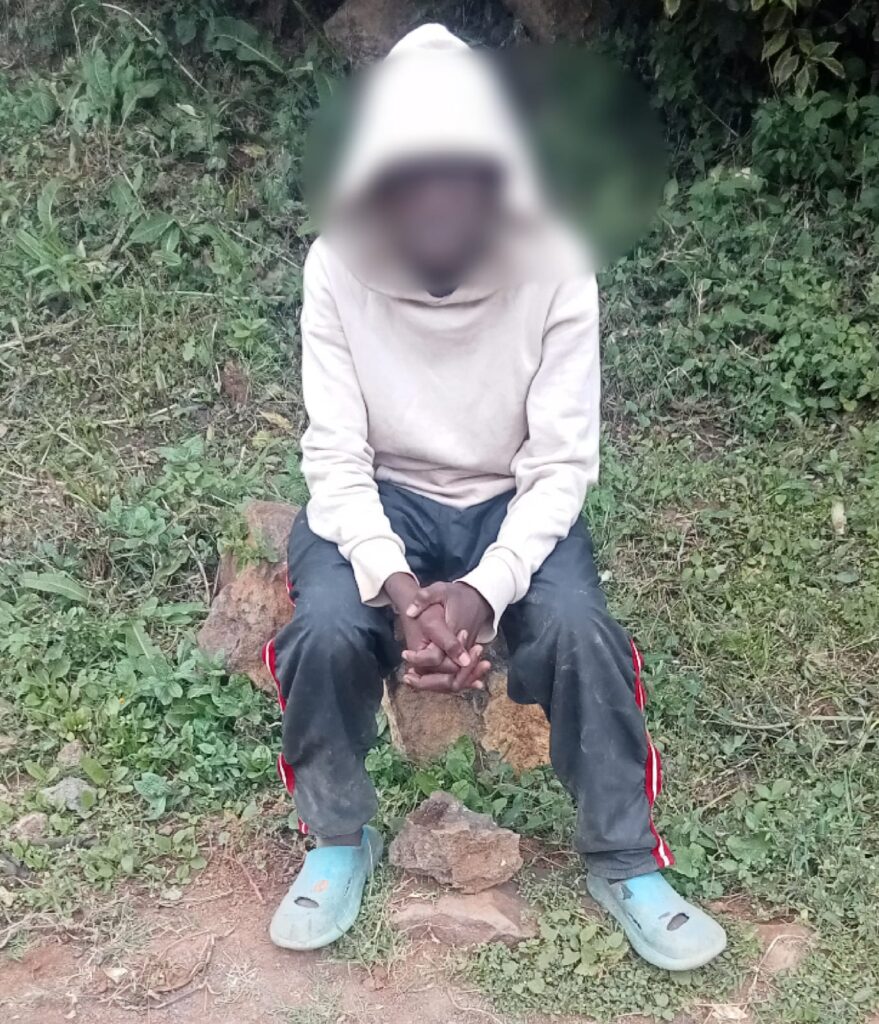
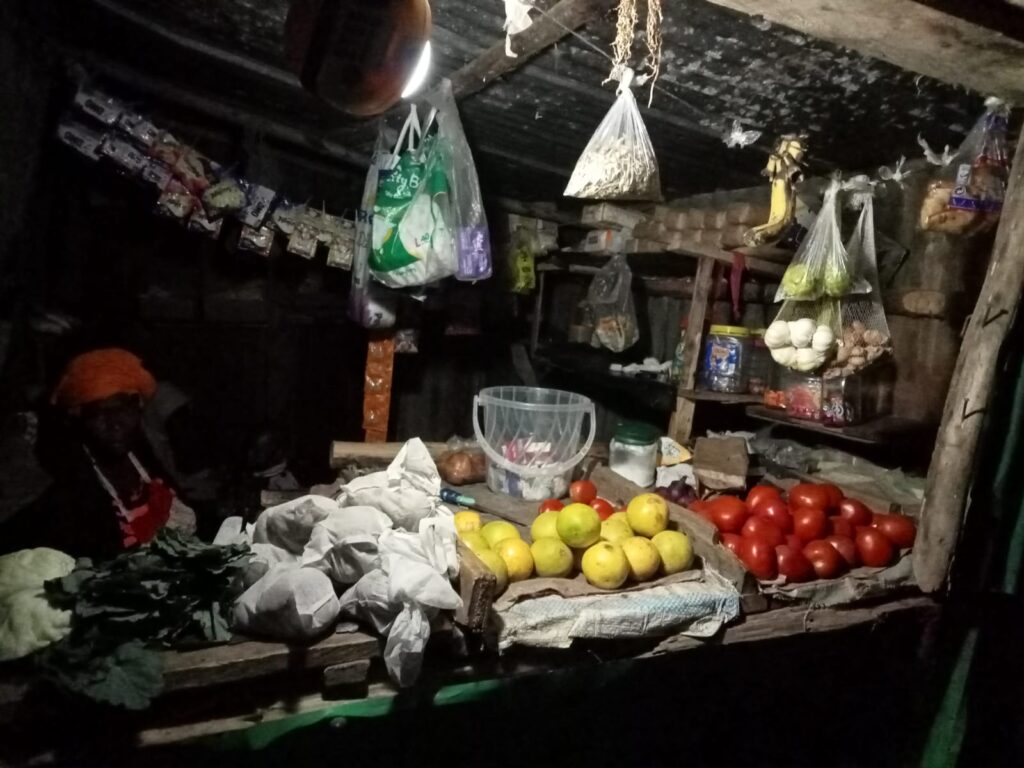
Unsure whether the child was telling the truth, the resident contacted a children’s welfare volunteer in Ngong, who responded immediately. The volunteer spoke to the boy and accompanied him to his home, where they met his mother operating a small green grocery business along Kangawa Road in Oloolua Ward.
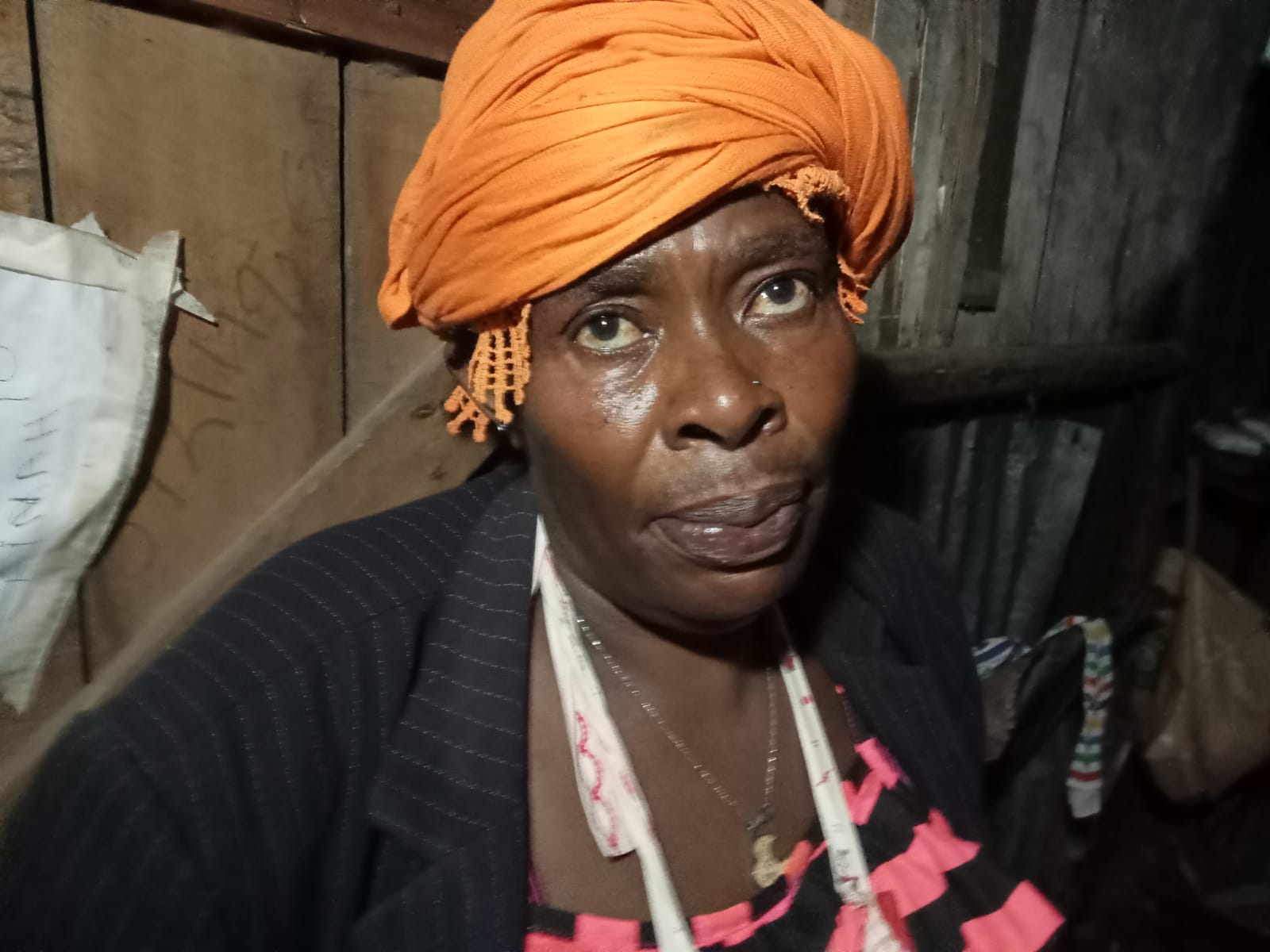
The mother, who identified herself as Josephine Ngesa, said she had no knowledge that her son had left home to beg for food. “I did not send my child to beg. I was not aware that he had gone out to ask people for food,” she said.
Ngesa, a single mother of four, has been raising her children alone for the past 13 years after their father abandoned the family when their youngest child was just one day old. She moved to Ngong in 1997 after meeting her then Ugandan husband. Before settling in the area, she worked in the hotel industry. Having completed only primary school, Ngesa never had the opportunity to join secondary school.
The cycle of hardship continuing into her next generation is becoming more obvious everyday. Her children, now aged 22, 18 and 16, were also unable to proceed to secondary school due to financial constraints. She remains hopeful that her youngest son, aged 12, will be the first in the family to continue his education beyond Class Eight.
“I want him to have the opportunity we never had and break the cycle of poverty in our family,” she said.
Ngesa who operates a small grocery business explained that she currently lives in a rental property after one of the landowners relocated following the government’s acquisition of land for the Standard Gauge Railway (SGR) project.
“One of the families that moved leased the property to me for KSh4,000 per month. Even then, I am struggling to keep up with the rent,” she said.
Her story reflects the broader challenges facing many households across Kenya.
According to the Kenya National Bureau of Statistics (KNBS), female-headed households experience slightly higher poverty levels than male-headed households, with poverty rates of 35.3 per cent and 32.6 per cent respectively. Households with children are also more vulnerable. They recording a poverty rate of 38 per cent, compared to 24 per cent among households without children.
KNBS data further shows that 33.1 per cent of Kenyan children aged 0 to 17 years, about 7.5 million children, were food poor in 2022.
Nationally, the food poverty headcount stood at 31.7 per cent, meaning more than 16 million Kenyans were unable to afford the minimum food requirements. Food poverty remains more widespread in rural areas than in urban centres, while nearly 3.6 million people were living in conditions of hardcore poverty in 2022, unable to meet even their minimum food needs.
For the Ngong resident who stopped to speak to a child sitting alone by the roadside, a simple act of kindness uncovered a family’s silent struggle with poverty. A struggle that mirrors the daily reality of millions of vulnerable households across the country.