Blog

  • Governor Lenku Commends Joho’s action against mining company

    Governor Lenku Commends Joho’s action against mining company

    Governor Joseph Ole Lenku has commended the National Government for suspending Tata Chemicals Magadi Limited mining licence, describing the move as a significant step towards protecting the interests of the local communities and the environment. He reaffirmed Kajiado County’s commitment to working closely with the National Government and other stakeholders to ensure that any future mining activities are carried out transparently, responsibly, and in accordance with the law.

    The governor said the compliance enforcement by the national government is very important and claimed that Tata chemicals is operating on a non existing lease for the land they hold through irregular acquisition and is not licensed.

    “It is in public domain that the entire Magadi Ward 240,000 acres are under Tata Chemicals contrary to the law that it is community land.” Lenku claimed

    Lenku further said the first justice is for the land to revert to revert to the Maa Community and allow Tata Chemicals to operate within the 8000 acres lake area together with 8 other operators because research has indicated there is capacity.

    The governor claimed Tata chemicals are not complying with the taxation requirements, are falsifying records and have not remitted levies, land rates and taxes to the county government well over 10 billion shillings. The governor also alleged that Tata Chemicals does not pay taxes on water to the county government.

    “Their commitment to the Magadi Community falls far below the expectation of their capacity. The number of local employees is completely unsatisfactory. The representation of the Magadi community in their board and the county government is not there.” Lenku said

    Kanar Ole Seki – Senator, Kajiado County

    Kajiado County Senator Kanar Ole Seki who had accompanied Governor Lenku during the press briefing, also praised CS Joho for taking action against Tata Chemicals Magadi Limited.

    “What the cabinet secretary has done is appropriate. The county government, county leadership, Magadi community must be brought on board during any discussions.” Seki said

    Tata Chemicals Magadi Limited has since responded to the suspension of its mining license by stating that it is fully compliant with Kenyan laws and has adhered to all statutory regulations governing its operations.

    Formerly known as Magadi Soda Company, Tata Chemicals Magadi has been a part of Tata Chemicals since 2005. Tata Chemicals Limited, part of the global Tata group, with a portfolio of household products, industrial chemicals and agricultural inputs. Tata Chemicals Limited has operations in the United States, the United Kingdom, Kenya, and India.  The company is a key supplier of sustainable soda ash to the global glass, detergent, and chemical industries.

    Factory – Tata Chemicals Magadi Limited

    This is not the first attempt to suspend or close down Tata Company operations by the authority. On 24 October 2025, in a court ruling following an appeal against the ruling and order of the High Court at Kajiado (R. Nyakundi, J.) dated 3rd May 2019 in Petition No. 2 of 2019) the judge presiding over the case (Tata Chemicals Magadi Limited v County Government of Kajiado (Civil Appeal 530 of 2019) [2025] KECA 1721 (KLR) (24 October 2025) declared that Tata Chemicals Magadi Limited was not obliged to pay the Kshs.17,448,485,646 as demanded by the respondent because:

    1. The land rates had not been determined in compliance with the Rating Act, the Valuation of Rating Act Articles 201 and 209(3) and (5) of the Constitution.
    2. The demand of Kshs.17,448,485,646 that related to royalties was not payable under the Mining Act and Article 62 of the Constitution.
    3. That the County Government of Kajiado closure of the operations of the Tata Chemicals Magadi Limited breached the company’s lease Agreement.

    Court documents showed that the land Tata Chemicals Magadi Limited formerly Magadi Soda Company operates from, was leased on 20th March 1928.  The Government of the Republic of Kenya allowed the appellant to search for, excavate, extract and carry away all the Magadi deposits in two parcels of land, LR No. 1026/R and LR No. 3867, located at Lake Magadi and Lake Natron in what is now Kajiado County. Land portion LR No. 1026/R covered about 211,104 acres while LR No. 3867 covered about 11,678 acres. The appellant, in the Agreement, secured another lease, the railway lease, over LR No. 2341/R that covered about 2,209 acres.

    About the year 1997, a dispute arose between the Magadi Soda Company which was in December 2005 acquired by Tata Chemicals Limited following the purchase of its parent company, the United Kingdom based Brunner Mond Group and Olkejuado County Council.

    The dispute ended up in litigation, following which there was a settlement contained in the Agreement signed on 24th February 2004 between the parties. Under Clause 4:2 of the Agreement, the appellant was to pay an amount equal to the industrial rate of Kshs.50 per acre for 50,000 acres, minus the 14,031 acres on which it was already paying industrial rates at the time of the Agreement. Magadi Soda Company was required to, within two years, determine how much land it still required to enable part of the land it held to be surrendered to the Group Ranches. In the event that the Magadi Soda Company did not make the determination, the rates payable on the premises and the railway land would be deemed to be the charged rate at industrial rate, but subject to the Rating Act (Cap. 267).   Magadi Soda Company officially changed its trading name to Tata Chemicals Magadi Limited in April 2011.

    In 2014, Kajiado County Government increased the industrial rate from Kshs.50 to 120 per acre. The appellant was facing financial difficulties. Several meetings were held to develop a payment plan for Kshs.20,325,130 which was outstanding.

    The County Government enacted the Kajiado Finance Bills 2013/2014, 2015/2016, 2016/2017 and 2017/2018 which purported to levy and increase land rates in respect of the appellant’s premises to Kshs.11,000 per acre and Kshs.14,000 per acre, respectively, per year.

    Tata Chemicals Magadi Limited complained about the exponential increase which it said was going to paralyse its operations. This was because it was operating with negative net worth and had been kept going by line of credit from the parent company.

    Kajiado County Government went ahead and enacted the Kajiado County Finance Bill 2018/2019 which prescribed land rates at Kshs.2,000 per acre. Tata Chemicals Magadi Limited contested these Bills by stating that the Bills had not been gazetted in the Kenya Gazette and therefore they could not take effect before gazettement. The other complaint was that these Bills and the proposed levies had been done without reference to the Rating Act and the Valuation for Rating Act. Further, that the Bills offended the provisions of the Constitution.

    Court documents indicated that the County Government of Kajiado through a letter dated 14th February 2018, demanded Kshs,17,448,485,646 from the Tata Chemicals Magadi Limited, being land rates and royalties for the period 2013 to 2018.

    Factory – Tata Chemicals Magadi Limted. (Photo credit – Tata Chemicals Magadi Limited)

    Tata Chemicals Magadi Limited wrote back to challenge the demand, and indicated that it had, among other things, been paying rates and royalties to the National Government and to the The County Government of Kajiado. It stated that it had enjoyed a harmonious relationship and partnership with the the county government and that it had continued to contribute to the economic, social and infrastructural wellbeing of the people in the County and beyond.

    By letter dated 13th November 2018, The County Government of Kajiado appointed Regional Business Connection to purportedly verify, enforce and ensure that all debts payable to the respondent in form of rent, rates, cess, royalties, and licenses were paid. By letter dated 12th December 2018, the agent demanded payment of the Kshs.17,448,485,646 from the Tata Chemicals Magadi Limited which was said to be in respect of land rates and royalties for the year 2013-2018. The appellant wrote back to challenge the demand.

    KajiadoCounty Government went further to demand royalties on soda ash at the rate of Kshs.100 per tonne. This was done under the 2018/2019 County Finance Act. According to the Tata Chemicals Magadi Limited, this demand offended the Mining Act 2016, the Constitution and Clause 4 of the 2004 Agreement, as such royalty could only be paid to the national Government.

    On 11th January 2019, the Kajiado County Government, in bid to enforce the demand, closed down the operations of the Tata Chemicals Magadi Limited. It sent its security officers and police officers to enable the closure. Tata Chemicals Magadi Limited had over 1000 employees and provided social amenities, including water, schools and hospitals to the community. It was required to supply and transport soda ash to the Port of Mombasa for loading and export by ships. All these were paralysed. Under Article 209(5) of the Constitution, Tata Chemicals Magadi Limited contended that the taxation and other revenue raising powers of the respondent could not be exercised in a way that prejudiced the national economic policies and activities across county boundaries or the national mobility of goods, services and capital.
  • Kajiado bans cattle movement in Ngong ward

    Kajiado bans cattle movement in Ngong ward

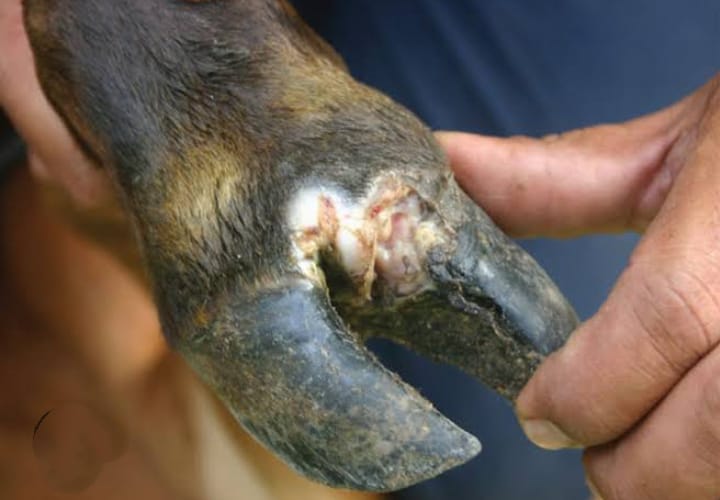
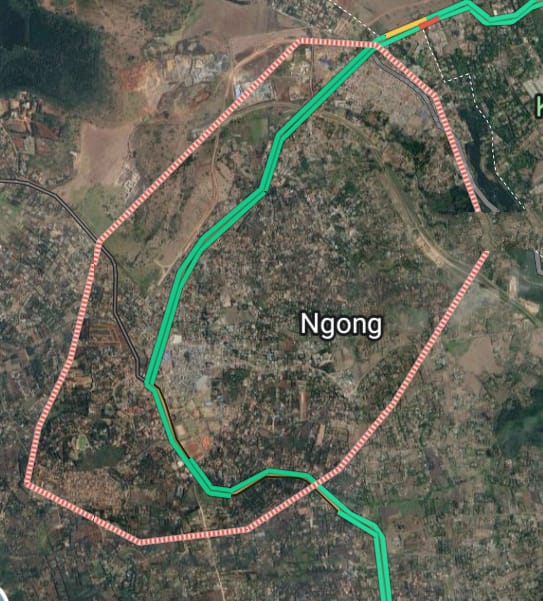
    Kajiado County Government has imposed an immediate livestock quarantine in Ngong Ward, Kajiado North Sub-county, following an outbreak of Foot-and-Mouth Disease (FMD).

    The quarantine, issued under the Animal Diseases Act (Cap. 364) and signed by the County Director of Veterinary Services and shared to the local administration oficers, took effect on 22 July 2026. It requires all cattle, sheep, goats, together with their products and by-products, to remain within the affected area until further notice.


    Under the directive, the movement of livestock into or out of Ngong Ward is prohibited unless authorized in writing by the Director of Veterinary Services or an appointed veterinary officer. Animals permitted to leave Ngong Ward must first be disinfected, while livestock owners have also been instructed to keep animals away from public roads wherever possible.


    County veterinary officials said the restrictions are intended to contain the spread of the highly contagious viral disease, which affects cloven-hoofed animals and can cause significant economic losses for livestock farmers. The outbreak has already dealt a heavy blow to some farmers in the area.

    One farmer, identified as Jimmy, while addressing the media, said he had been keeping 18 dairy cows but has lost six to the disease, estimating his financial loss at more than one million shillings. He added that milk from cows undergoing treatment cannot be consumed by either humans or animals and must be discarded, further compounding farmers’ losses. Another farmer reported losing three lactating cows, one heifer and one calf, with losses estimated at approximately 800,000 shillings.

    According to veterinary experts, Foot-and-Mouth Disease is caused by a virus with seven distinct serotypes and more than 60 subtypes, meaning immunity to one strain does not protect animals against the others. Clinical signs usually appear between two and 14 days after infection. Common symptoms include fever, excessive salivation, painful blisters in the mouth and on the feet, loss of appetite, reduced milk production, lameness, reluctance to move, abortions and, in severe cases, heart complications and death in young animals.

    The World Organisation for Animal Health (WOAH) describes FMD as one of the world’s most economically damaging livestock diseases. It affects cattle, sheep, goats, pigs and other cloven-hoofed animals, disrupting livestock production and international trade. The virus is present in saliva, milk, semen and other secretions from infected animals. It can spread through direct contact, contaminated equipment, vehicles, clothing and feed, as well as through the air under favourable conditions. Infected animals may begin shedding the virus several days before showing visible signs of illness.


    WOAH notes that although most adult animals recover, dairy cows can suffer long-term production losses, with chronic cases recording milk yield reductions of up to 80 per cent. Young calves, lambs and piglets are particularly vulnerable and may die from heart complications or malnutrition if infected mothers are unable to produce sufficient milk.

    To control the spread of the disease, veterinary authorities recommend strict farm biosecurity measures, including limiting access to livestock, disinfecting buildings, equipment and vehicles, monitoring and reporting suspected cases, and ensuring the safe disposal of manure and animal carcasses. County veterinary officers have urged livestock owners in Ngong Ward to cooperate fully with the quarantine measures and report any suspected cases immediately to help contain the outbreak.

    Foot and Mouth Disease was first officially recorded in Kenya during the colonial era in 1915. In 2020, Kajiado Central, livestock farmers in Kajiado East and Kajiado West sub-counties were severely affected by an oubreak.

  • Ngong Municipality receives 693 million shillings development funds.

    Ngong Municipality receives 693 million shillings development funds.


    Ngong Municipality is set to receive Ksh693 million for urban development after successfully meeting the performance requirements of the Kenya Urban Support Programme Phase II (KUSP II), according to a statement released by the Governor’s Press Service in Kajiado County.


    The allocation is the largest among Kajiado County’s municipalities. Kitengela Municipality has been allocated Ksh304 million, while Kajiado Municipality will receive Ksh43 million. The funding follows the municipalities’ successful assessment under KUSP II and the First and Second Annual Performance Assessments (APA I and APA II).

    According to the Ministry of Lands, Public Works, Housing and Urban Development, KUSP II is a national programme aimed at promoting sustainable urban development, strengthening municipal governance, improving infrastructure and enhancing service delivery. The programme also supports the integration of marginalized communities and refugee-host areas while helping municipalities respond to the challenges of rapid urbanization.

    Public Toilet project at Ngong Town

    The World Bank partially finances KUSP II, which has benefited 59 municipalities in 45 counties. More than 300 projects have been implemented across the country, including investments in solid and liquid waste management, stormwater drainage, roads, connectivity, fire and disaster management facilities, markets and other socio-economic infrastructure. Municipalities qualify for grants after annual assessments that evaluate governance, financial management, urban planning and service delivery.

    Ngong Municipality has already completed several projects under the first phase of KUSP, including:
    1. Tarmacking the Cleanshelf Supermarket–Saitoti Hospital–Gataka Road (1.5 km) in Nkaimurunya Ward.
    2. Tarmacking the Kaurai Junction–Kiserian Primary School–Magadi Road Junction (1.4 km) in Olkeri Ward.
    3. Tarmacking the Juanco–Olepolos Road (1.1 km) in Oloolua Ward.
    4. Tarmacking the Kenol–Kobil–Wama Dispensary–Mechanic Parking Lane Road (1.1 km) in Ong’ata Rongai Ward.
    5. Construction of 800 metres of pedestrian-friendly cabro roads in Kiserian Market, Keekonyokie Ward.
    6. Construction of a stormwater box culvert at Juanco in Oloolua Ward.
    7. Development of stormwater drainage channels alongside newly tarmacked roads.
    8. Phase I decommissioning of the Ngong dumpsite.
    9. Landscaping and establishment of the Ngong Ward Beautification Park and shoe-shiner sheds.
    10. Construction of modern public toilets in Ngong Town.
    11. Development of relocation frameworks for roadside traders in Kiserian and Ong’ata Rongai.


    Under KUSP II, the KSh693 million allocation will finance interconnected, climate-resilient urban infrastructure across Ngong Municipality. Priority projects include upgrading critical feeder roads linking Oltepesi, Rangau and the Kandisi to Ong’ata Rongai bypass to ease traffic congestion in urban centres. The programme will also expand stormwater drainage systems in flood-prone areas, particularly Nkaimurunya, Olkeri and Ong’ata Rongai.

    Additional investments will include the construction of parking bays, organised parking lanes, non motorised transport paths and passenger drop off zones in Ngong and Ong’ata Rongai central business districts. Community markets will also be upgraded with improved roofing, water supply and sanitation facilities integrated into the municipality’s spatial development plan.

    The funding will further support digital governance initiatives, including the continued implementation of the Mazingira Unit Service Agreement for municipal solid waste collection, automated utility and advertisement management systems, and digital planning platforms to regulate outdoor advertising and fibre optic cable installations across Kajiado North.

    David Koobai -Ngong Municipal Manager

    Ngong Municipal Manager David Koobai said all proposed projects will undergo public participation before they are approved and implemented by the Municipal Board.

    “The projects will cover the seven wards in Ngong Municipality as follows; Ngong, Oloolua, Nkaimurunya, Ong’ata Rongai, Keekonyokie, Olkeri and Ewuaso Oonkidong’i.” Koobai said.

  • One year old girl dies in Ngong house fire

    One year old girl dies in Ngong house fire


    A one-year-old girl identfied as Queency Wambui has died following a house fire in Gichagi, Ngong, Kajiado North, in a tragedy that has left residents in shock. The child, was alone in the family’s two-roomed house with her siblings, aged 10 and 3, when the fire broke out.

    The two roomed house where one year old Queency Wambui died following a fire breakout.


    According to eyewitnesses, residents noticed smoke billowing from the roof of the house and quickly rushed to the scene carrying buckets of water in an effort to extinguish the flames. After forcing their way into the house, the first responders found the 10 year old boy unconscious before rescuing him together with his three-year-old brother. The body of the sister was later found trapped between a double-decker bed and a window, suggesting she may have been attempting to escape the rapidly spreading fire, which had engulfed a mattress, blankets, and other household items. The children’s mother, Grace Njeri, had reportedly left for work after securing employment just two days earlier.

    Grace Njeri, Mother to the late Queency Wambui

    Officers from Ngong Police Station led by Officer Commanding Station (OCS) Jacob Ndunda, together with forensic scene investigators from the Directorate of Criminal Investigations (DCI), visited the scene and launched investigations. Preliminary findings indicate that the fire may have been caused by a mobile water-heating device, although investigations are continuing to establish the exact cause.

    Kajiado North Sub-County Administrator, Samuel Muchiri


    Kajiado North Sub-County Administrator Samuel Muchiri, who visited the scene alongside other county government officials, urged parents and guardians to make use of daycare services instead of leaving young children at home. He noted that an affordable daycare facility is available at Ngong Market. His remarks were echoed by Ngong Ward MCA Mbiriri Mwaura, who, while addressing residents during a public participation forum at Umoja Village on 31 July, encouraged parents to ask trusted neighbours to watch over their children whenever they are away from home.

    As the family mourns, funeral planning meetings are being held daily at their home in Gichagi starting at 7:00 p.m. A fundraising event has also been scheduled for this coming Sunday 2 August, at the family home to help support the bereaved family.
    The family is appealing for donations of household items and clothing for the surviving boys, aged 10 and 3 years, as they seek to rebuild their lives following the tragedy. Those wishing to offer financial assistance or make other enquiries can contact Grace Njeri on 0723 497 770.

    The incident has also sparked discussion about the challenges faced by single parents in Kenya. While countries such as Norway provide comprehensive financial assistance, childcare support and education benefits to eligible single parents through the Norwegian Labour and Welfare Administration, and South Africa offers child support grants through the South African Social Security Agency (SASSA) to low income caregivers, many single parents in Kenya continue to rely largely on extended family, community support and non-governmental organisations for assistance.

    Authorities and lawmakers have been challenged to come up with systems that can assist struggling parents especially matters health and education.

  • Kajiado County invites public views and comments on proposed municipalities.

    Kajiado County invites public views and comments on proposed municipalities.

    The Kajiado County Government has announced a public participation events on the proposed establishment of three new municipalities. The exercise follows the commissioning of ad hoc committees by Governor Joseph Ole Lenku through the Department of Lands, Physical Planning, Housing, Urban Development and Municipalities. The proposed municipalities are Oloitokitok, Kinyewa Poka and Namanga. The county government is inviting residents, community leaders, and other stakeholders to give their views and comments.

    According to a notice issued by Hamilton Parseina, CEC for Department of Lands, Physical Planning, Housing, Urban Development and Municipalities, public participation meetings for the proposed Namanga Municipality, will be held next month on 5 August at trading centers within the proposed municipality and on 8 August at Namanga Market. Residents of Ibisil and the surrounding areas will have an opportunity to participate on 6 August at the Faith Evangelical Free Church.

    Kajiado County currently has three municipalities namely Ngong, Kajiado, and Kitengela. The planned expansion is intended to support improved urban planning, service delivery, and sustainable development as the county’s urban centers continue to grow.

    According to the county government, municipalities are responsible for functions such as urban planning and development, maintenance of roads and public infrastructure, waste management and sanitation, environmental conservation, street lighting, regulation of markets, parks and public spaces, and promoting local economic development.

    County officials have encouraged all residents and stakeholders in the affected areas to attend the meetings and contribute their views to help shape the future of the proposed municipalities.

  • Anti-Corruption Commission arrests senior county officials over alleged procurement corruption

    Anti-Corruption Commission arrests senior county officials over alleged procurement corruption

    The Ethics and Anti-Corruption Commission (EACC) has arrested seven current and former senior officials of the county government of Nakuru together with a contractor, following investigations into an alleged conflict of interest and procurement fraud involving county contracts worth 129, 042, 417 million shillings. The investigations arose from allegations that Lorna Karamuta Mubichi, an economist at the County Government of Nakuru, used companies owned by her husband to conduct business with the county government while serving at the county.

    The companies Denken Building and construction limited, Nurichamba Investments Limited and Windcom Solutions Limited were awarded 29 contracts between 2020/2021 and 2024/2025 financial years and received cumulative payments amounting to 129, 042, 417 million shillings. Investigations revealed the three companies were owned and controlled by Ms. Mubichi’s husband Kenneth Murîithi Ndubi either solely or jointly with his brother Brian Mwenda Ndubi.

    The commission further established the companies used false documents to unlawfully secure the tenders and that part of the proceeds from the contracts was transferred to joint bank accounts held by Ms.Mubichi and her husband. Investigators also traced payments from the contract proceeds to several senior county officials.

    Upon the conclusion of investigations Eacc forwarded the file to the Director of Public Prosecutions (DPP) who has approved the prosecution of nine suspects on various charges including conflict of interest, money laundering, acquisition of proceeds of crime, engaging in corrupt procurement practices and wilful failure to comply with procurement laws.

    Others arrested include;

    1. Daniel Ndungu Wainaina (Chief Officer – Medical Services)
    2. Kennedy Mungai Barasa (Chief Officer – Roads and Infrastructure)
    3. Timothy Kiogora Murîithi (Chief Officer – Water)
    4. Peter Gitau Thabaja (City Manager – Nakuru City)
    5. Solomon Sirma (CEC member, Baringo County and former Chief Officer for Health, Nakuru County.

    EACC has directed two individuals believed to have gone into hiding namely Brian Mwenda Ndubi (Director of Windcom Solutions Limited) and Josphat Kimemia (Chief Officer for Youth Affairs and Sports) to report to report immediately to the commission’s South Rift Regional Office or the nearest EACC’s office for processing. The accused will be arraigned in court tomorrow, 31 July 2026.

  • Immaculate Salaon installed as president of Rotary Club of Ngong Hills 

    Immaculate Salaon installed as president of Rotary Club of Ngong Hills 

    Immaculate Salaon has officially been installed as the new president of the Rotary Club of Ngong Hills during a colourful ceremony held at the KCB Leadership Centre in Karen. 

    The event drew a large turnover of rotarians and rotaractors as well as members of the Rotary Club of Ngong Hills.

    The installation ceremony marked the official handover of leadership from the outgoing president to Salaon, who will serve as club president for the 2026/2027 Rotary year. 

    In one of the most symbolic moments of the event, the outgoing president presented her with the presidential chain, signifying the formal transfer of leadership and responsibility.

    Salaon later took the oath of office, committing herself to uphold Rotary’s values and lead the club in advancing community service initiatives throughout her one-year term. Members of her board of directors, who will support her in implementing the club’s programmes and activities, also took the oath of office during the ceremony.

    Speaking after her installation, Salaon reaffirmed the club’s commitment to supporting vulnerable members of the community, particularly children from disadvantaged backgrounds.

    “We will continue paying school fees for the 14 vulnerable children currently under the club’s education support programme because every child deserves an opportunity to access quality education regardless of their circumstances,” Salaon said.

    Salaon has pledged to build on the achievements of previous administrations while expanding the club’s impact through sustainable community service projects.

    The event also celebrated the achievements of the outgoing leadership and recognised its contribution to community development projects and successful Rotary initiatives over the past year.

    As president, Salaon will lead the Rotary Club of Ngong Hills in implementing projects aligned with Rotary’s areas of focus in the 2026/2027 rotary year.

    Her installation marks the beginning of a new chapter for the club as it seeks to strengthen partnerships and expand its reach in serving communities across Ngong and beyond. 

  • Oloolua nine-storey building collapse linked to negligence by parliamentary report

    Oloolua nine-storey building collapse linked to negligence by parliamentary report

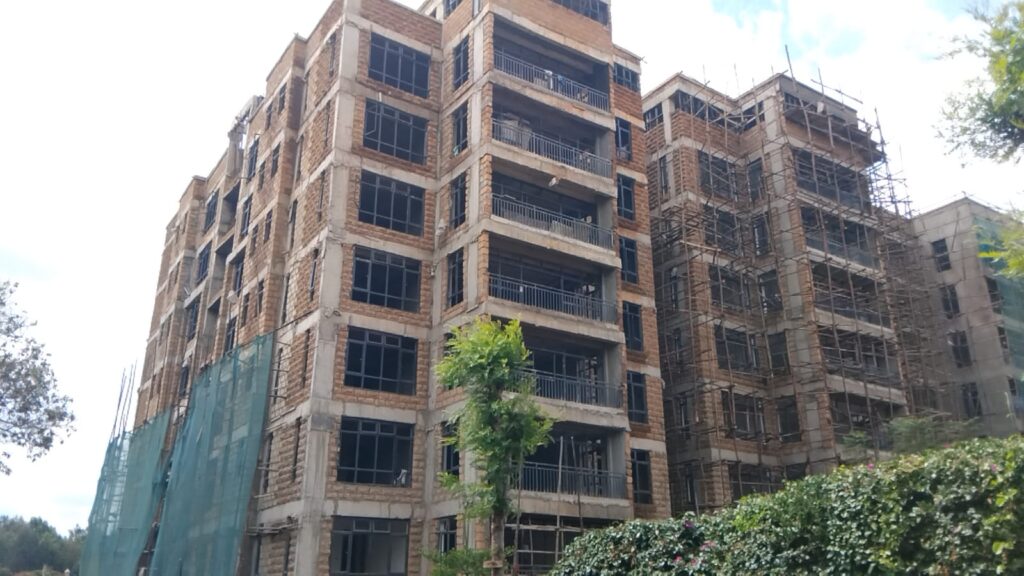
    A parliamentary report has uncovered a series of regulatory breaches and construction failures that led to the collapse of a multi-storey building under construction in Ole Nairi, Kajiado North constituency in May this year.

    Presenting the findings before the National Assembly, the Chairperson of the Departmental Committee on Housing and Public Works said investigations pointed to widespread non-compliance and enforcement lapses in the construction of the building.

    The report highlighted the following key findings:

    1. Structural deficiencies and poor workmanship were identified as the primary causes of the collapse with investigators finding serious weaknesses in the building’s construction.

    2. The building exceeded its approved height. Although the project had received approvals from the Kajiado County Government, the National Environment Management Authority (NEMA) and the National Construction Authority (NCA), the structure had exceeded its approved specifications of an eight-storey development. Inspectors established that it had reached nine floors by the time it collapsed.

    3. Regulatory orders were ignored. The report found that construction continued despite concerns raised by authorities and directives issued against the project.

    4. The project lost professional supervision months before the collapse. The project engineer Ngugi Jacob Kibe withdrew his indemnity in June 2025, while the architect M.Kihara formally exited the project in January 2026.

    5. Construction proceeded without consultants on site. Subsequent inspections revealed that the project was being undertaken without the supervision of the appointed engineer and architect prompting the National Construction Authority to issue a suspension order.

    6.Construction allegedly continued despite the directive by the National Construction Authority had suspending the project.

    7. The contractor was properly registered. The State Department clarified that the contractor held a valid National Construction Authority licence contrary to claims that an unregistered contractor was involved. The developer was identified as Matthew Kipkoech Keter.

    8. Claims of flight path restrictions could not be substantiated. Investigators found no evidence that Ole Nairi is officially designated as a flight path zone restricted to four-storey developments.

    9. The project had obtained all the required approvals. The development had secured approvals from the Kajiado County Government, the National Environment Management Authority (NEMA) and the National Construction Authority which raised questions about enforcement and oversight.

    The report concluded that the collapse stemmed from a combination of structural weaknesses, violations of approved designs and regulatory failures.

    Funding and Enforcement Challenges

    The State Department admitted that it faces significant financial and legal challenges in preventing building collapses including inadequate resources for continuous inspections and the lack of a clear legal framework empowering multi-agency coordination.

    To address these shortcomings, the ministry has established a multi-sectoral consultative committee aimed at improving collaboration among agencies responsible for construction safety, disaster response and enforcement.

    Call for Accountability

    Kajiado North MP Onesmas Ngogoyo welcomed the report saying it had brought to light critical issues surrounding the construction of the building and underscored the need for stricter enforcement of building regulations.

  • Rampant strikes and destruction of property in high schools

    Rampant strikes and destruction of property in high schools

    By Teacher Alice Likimani

    Introduction
    In recent years, there has been an alarming increase in student strikes, unrest, and the destruction of school property in many high schools across the country. These incidents have negatively affected learning, led to loss of lives and property, and disrupted the smooth running of educational institutions. As a teacher, I have observed several factors that contribute to this unfortunate trend.


    Causes of student strikes and school arson
    Absent parenthood

    Many parents have delegated their parental responsibilities to teachers, domestic workers and other caregivers. As a result, some children grow up without proper guidance, discipline, and moral values. Lack of parental involvement makes it difficult for students to develop respect for authority and responsibility.


    Irresponsible behaviour among learners
    Some students are unwilling to take responsibility for their actions. They often blame teachers, school administration, or the system for challenges that could be solved through dialogue and personal accountability.


    Non-correctable children
    There is an increasing number of learners who are unwilling to accept correction. Any attempt to guide or discipline them is viewed as harassment or victimization, leading to hostility towards teachers and school rules.


    Parents who do not want their children to work
    Some children grow up in homes where domestic workers perform all domestic duties. Consequently, these learners are not accustomed to responsibility, hard work, or following instructions. They may perceive school routines and duties as punishment rather than character-building exercises.


    Entitlement mentality
    Some learners have been raised believing that they must always get what they want. When their demands are not met immediately, they resort to protests, violence, or destruction of property to force school administrations to comply.


    Undermining teachers’ authority
    In some cases, learners from affluent backgrounds feel superior to their teachers due to their family’s financial status. Such students may openly challenge authority and refuse to respect school regulations, making discipline difficult to enforce.


    National culture of demonstrations and destruction
    Students often imitate what they observe in society. When national grievances are frequently expressed through demonstrations, strikes, and destruction of property, young people may perceive such actions as acceptable methods of resolving conflicts.


    Drug and substance abuse
    The use of drugs and other substances among students contributes significantly to indiscipline. Drug abuse impairs judgment, promotes aggression, and increases the likelihood of violent behaviour, including participation in strikes and arson.

    Mitigation measures

    1. Strengthen parental involvement through regular meetings, counselling sessions, and parenting programs.
    2. Promote character education, moral instruction, and values-based learning in schools.
    3. Enhance guidance and counselling departments to help students manage emotions and resolve conflicts peacefully.
    4. Strengthen collaboration between parents, teachers, religious leaders, and community members in mentoring young people.
    5. Enforce school rules consistently while safeguarding students’ rights and dignity.
    6. Conduct regular anti-drug awareness campaigns and strengthen measures against drug trafficking and abuse within and around schools.
    7. Encourage open communication between students and school administration to address grievances before they escalate.
    8. Introduce leadership and conflict-resolution training for student leaders.
    9. Promote positive role models who demonstrate peaceful methods of resolving disagreements.
    10. Government agencies, schools, parents, and communities should work together to cultivate a culture of responsibility, respect, and accountability among learners.
    11. The increasing cases of strikes and destruction of property in schools are a matter of great concern. While students must be held accountable for their actions, parents, teachers, communities, and government institutions all have a role to play in addressing the root causes. Through collective effort, proper guidance, and effective discipline, schools can once again become safe environments that promote learning, character development, and responsible citizenship.

    Conclusion

    The increasing cases of strikes and destruction of property in schools are a matter of great concern. While students must be held accountable for their actions, parents, teachers, communities, and government institutions all have a role to play in addressing the root causes. Through collective effort, proper guidance, and effective discipline, schools can once again become safe environments that promote learning, character development, and responsible citizenship.

    Disclaimer: The views and opinions expressed in this editorial are those of the author and do not reflect the views, editorial position or policies of Elveza Media.

  • Community stakeholders trained to champion disability inclusion

    Community stakeholders trained to champion disability inclusion

    Over 300 participants including teachers, caregivers, health workers and paralegals are benefiting from an ongoing, free four-month training focused on neurodevelopmental disability support and inclusion under the Inclusive Futures Certificate Program.

    Implemented by the Orione Community Training Centre in collaboration with Manos Unidas Foundation Spain under the Pathways to Independence program, the initiative aims to strengthen community-based support systems, reduce stigma, promote inclusion and improve outcomes for children and adults living with disabilities. 

    The programme covers key areas including early identification and intervention, communication and language development, behaviour support, disability rights, inclusive education and caregiver empowerment.

    While speaking at the commencement of the training programme, speech and language therapist at Orione Community Training Centre Regina Mbugua said the training was necessitated by the pre-existing gaps in disability identification and intervention within the community.

    “Some of these children are in regular schools but the teachers do not have the knowledge on how to assist them. These children are also in churches but the people in charge do not have ways to include them. When it comes to intellectual disability which is not visible, we felt the need to create awareness and promote inclusion,” said Mbugua.

    Hellen Muthee and Gloria Wambua, Strathmore Law Clinic

    Gloria Wambua, from Strathmore University Law Clinic and a participant at the training said there is a huge legal gap in addressing the needs of people with disabilities.

    “Initially people with disabilities were ignored but now there is more awareness and call for inclusion. Strathmore University Law Clinic is currently working on a handbook to address these gaps,” said Wambua.

    To further address legal gaps for people with disability, Hellen Muthee from Strathmore University Law Clinic said the institution is working with county governments in the formulation of policies for early interventions for children with disability.

    Mbugua has also cited lack of awareness, misinformation and stigma as key challenges affecting people with disabilities and their caregivers.

    “Wrong information and lack of awareness cuts across professionals, parents to the members of the community. During assessments, stigma frequently emerges as a concern because it affects the mental and emotional well-being of parents and contributes to delayed intervention,” said Mbugua. 

    She has called on members of the community to stop stigma against children with disabilities and parents of children with disabilities citing that children with disability can live a normal life if given early intervention. 

    The training is expected to conclude in September. Participants who successfully complete the course will receive a certificate recognizing their enhanced knowledge and skills in disability inclusion and community practice.